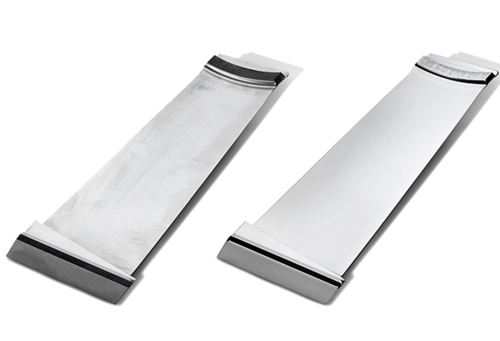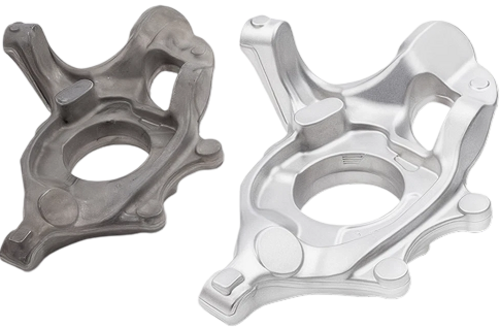

Surface quality is a key factor in both the functionality and the visual appearance of tools.
Blasting and Trowalizing play a key role in improving surface quality, service life and process reliability.
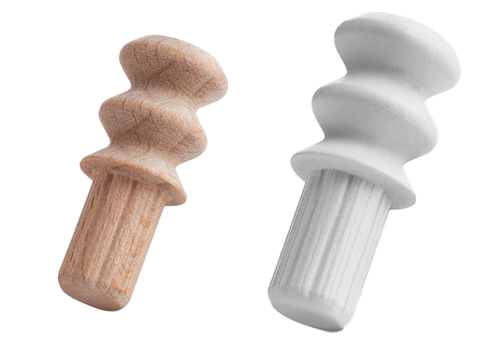
Furthermore, coating with anti-seize or anti-corrosion paints ensures that the tools function flawlessly and have a long service life.
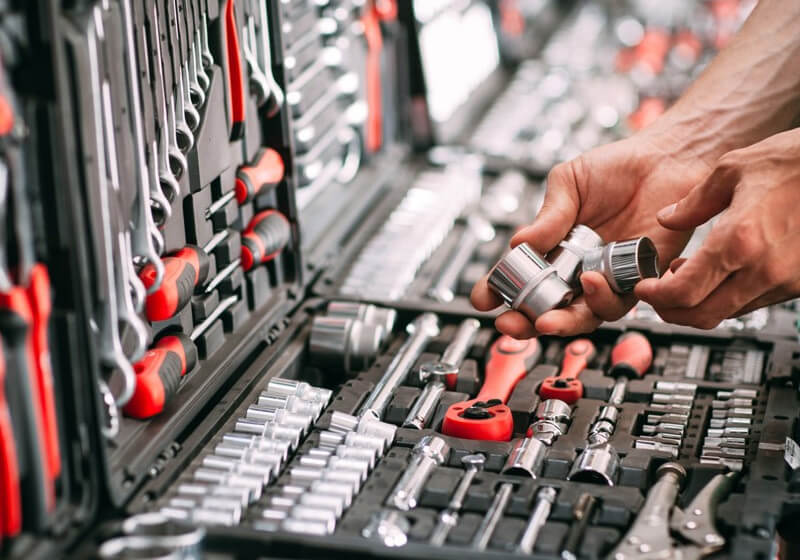
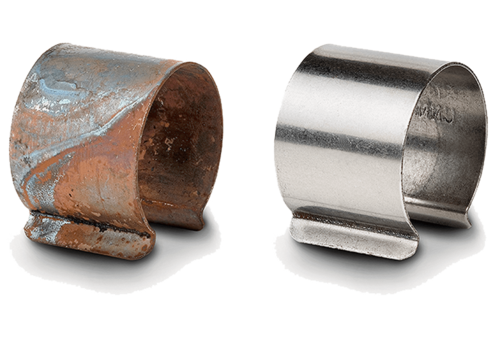
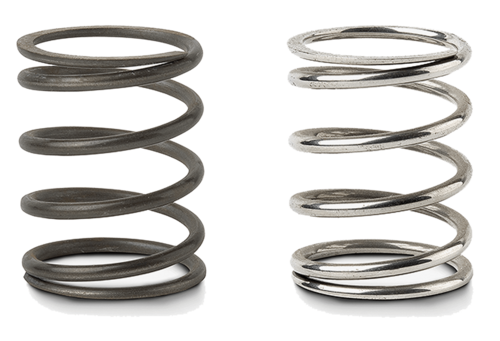
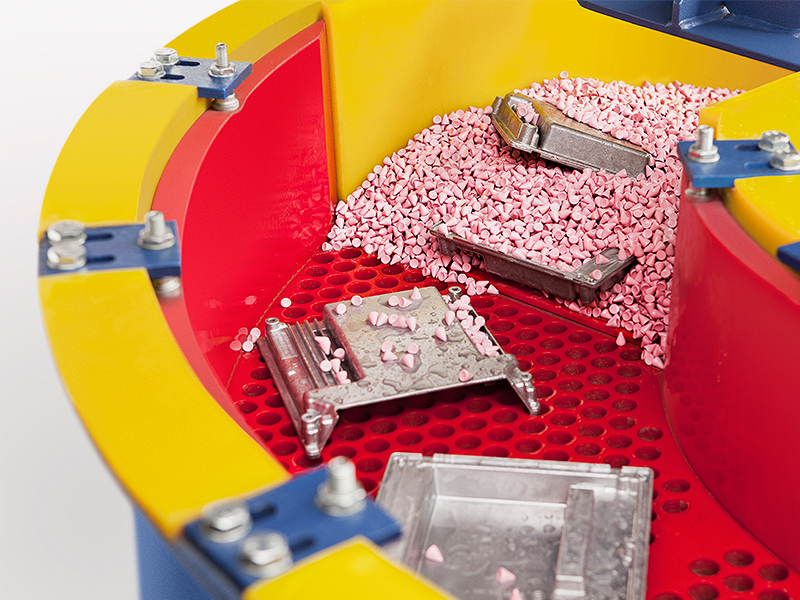
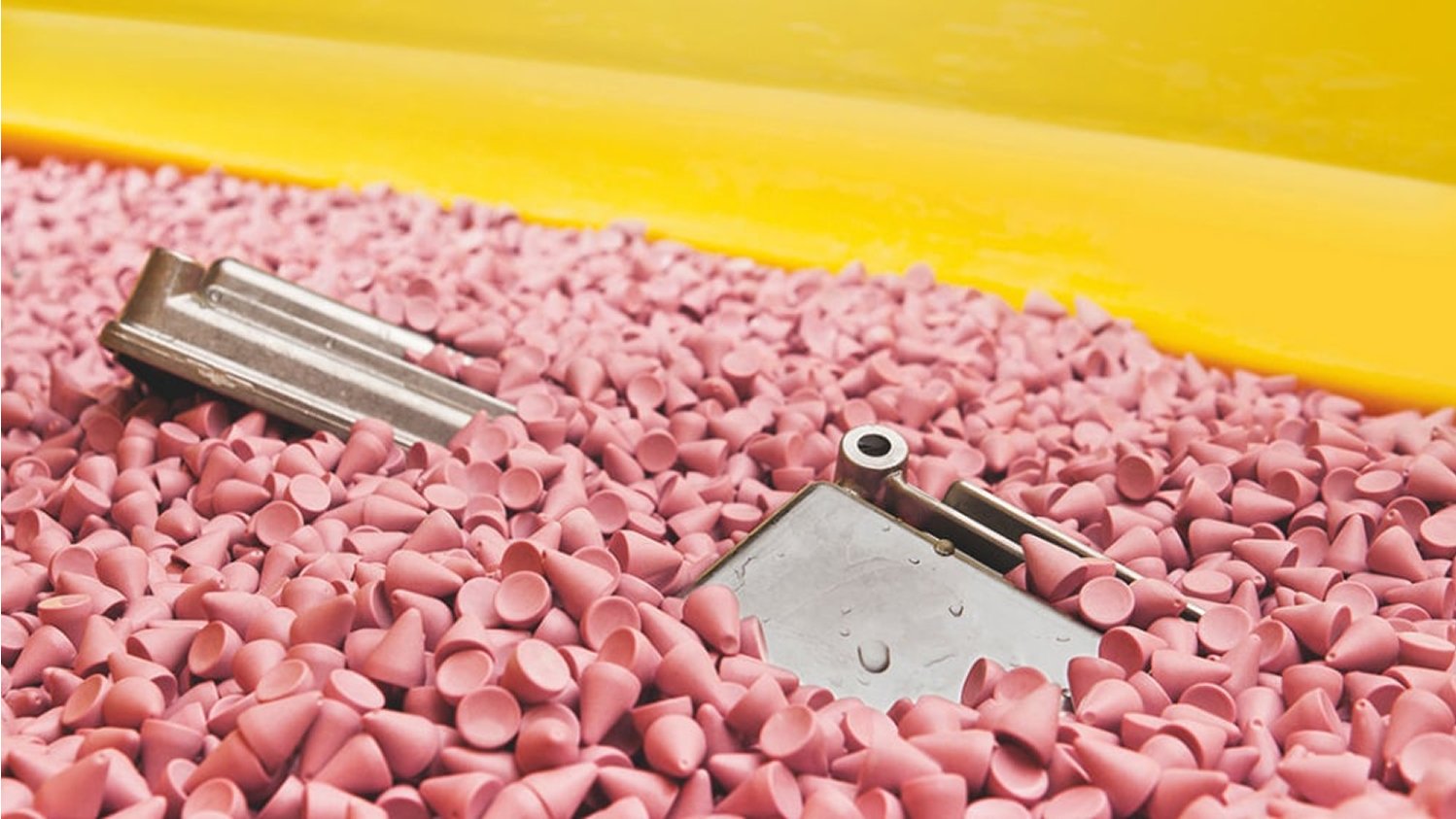
In the tooling industry, our vibratory finishing and blasting systems are used for cleaning, surface smoothing and polishing, as well as for edge rounding and deburring.
The precise control of surface roughness, edge geometry and surface integrity plays a crucial role in ensuring high tool performance, long service life and consistently reproducible quality of the machined parts.



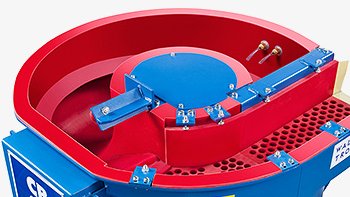
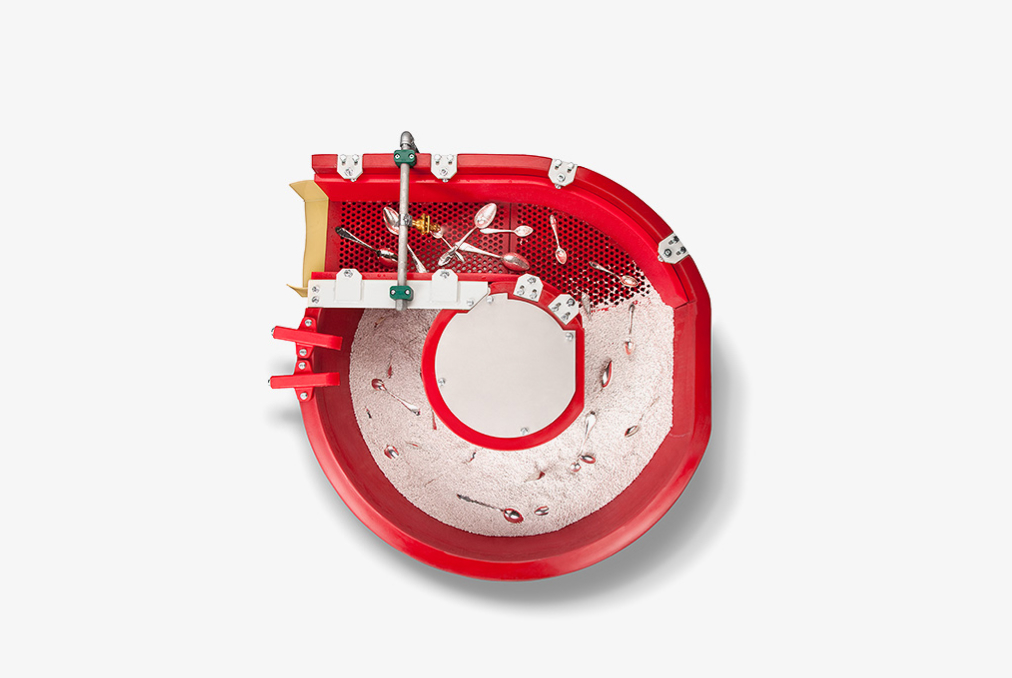
The edges of drill bits, milling cutters or carbide indexable inserts are so sharp that they would break immediately without specific machining. Our circular vibratory finishing machines not only round off the cutting edges precisely, but also perform surface smoothing in a single operation. This results in fewer breakages, a service life up to three times longer and improved chip evacuation.
Mass finishing significantly improves the quality of stamping and forming tools: polishing the forming surfaces enhances the surface quality of the tools whilst also extending their service life. The result: high-quality formed parts and reduced effort required to change tools.
Smoothing out the roughness peaks leads to a reduction in the coefficient of friction, improved flow properties and lower force requirements during forming, as well as reduced wear on the tool surface.
Following die forging, mass finishing removes any adhering residues from the forming tools and smooths the surface once again. This results in a long service life for the tools and high-quality forged parts.
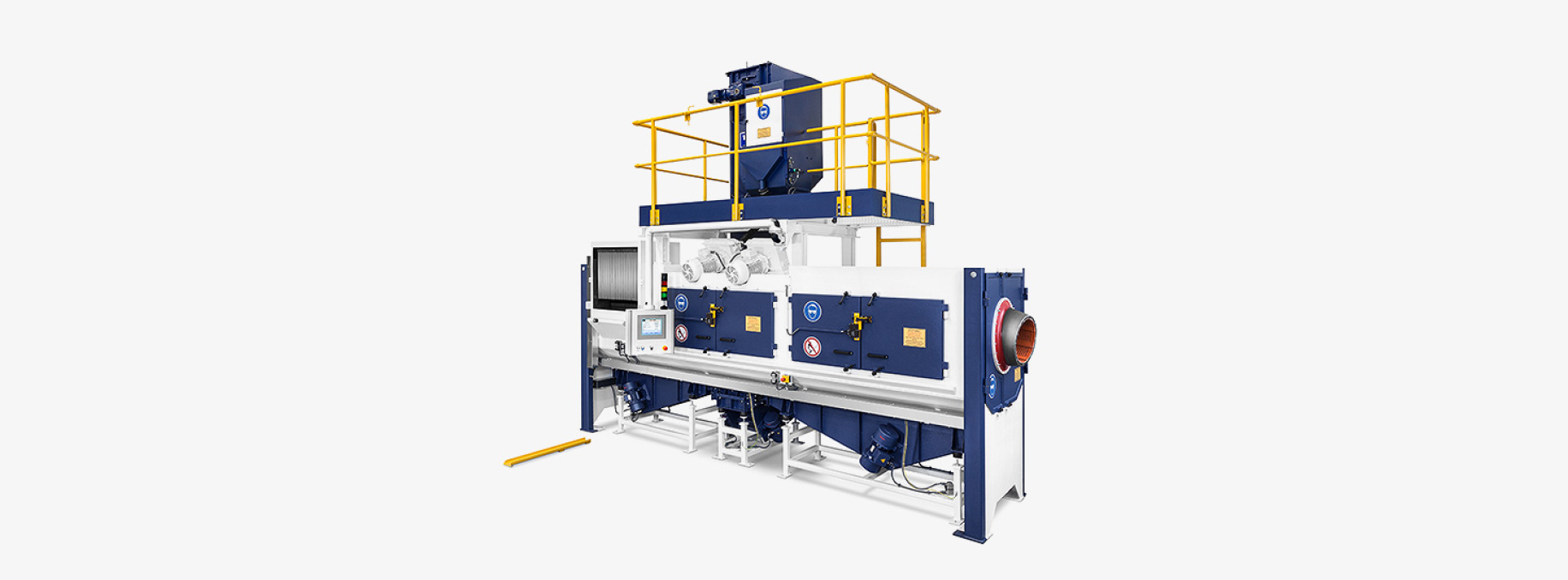
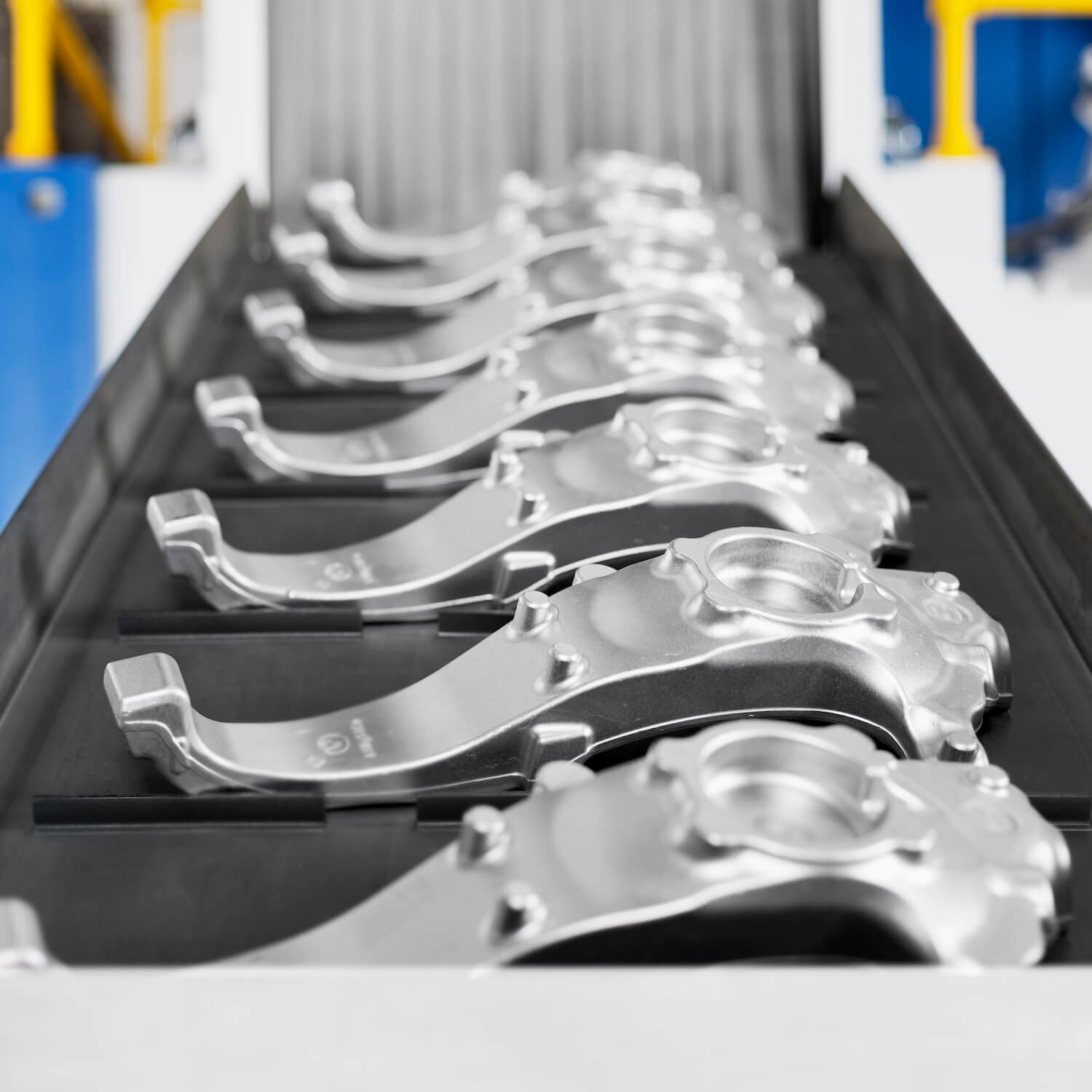
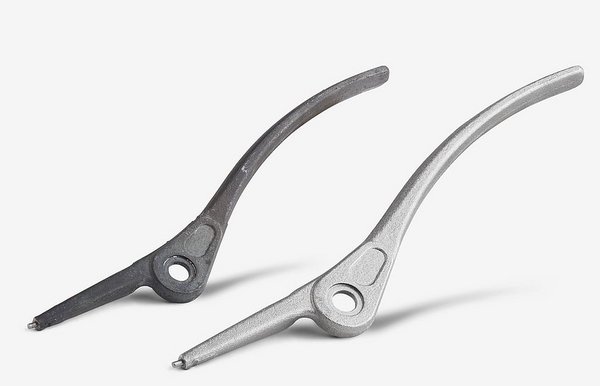
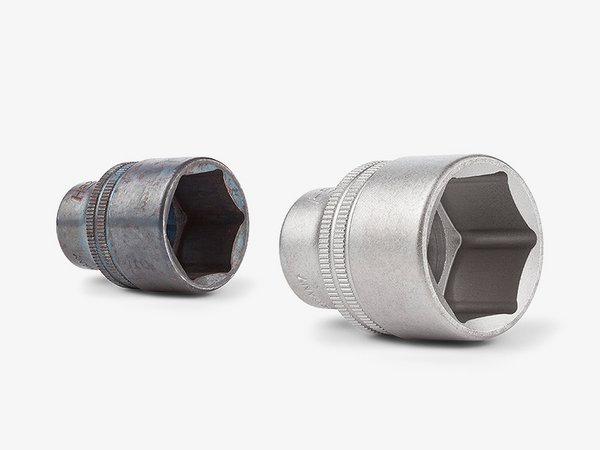
The blanks for pliers, open-ended spanners or similar hand tools, which are die-forged, are usually blasted to remove the scale. This produces a uniformly smooth and homogeneous surface – the ideal basis for further processing.
Tumble finishing machines are then used – for example, to perform deburring on the parts and to improve their surfaces smooth and to give the nearly finished tools a surface suitable for electroplating.
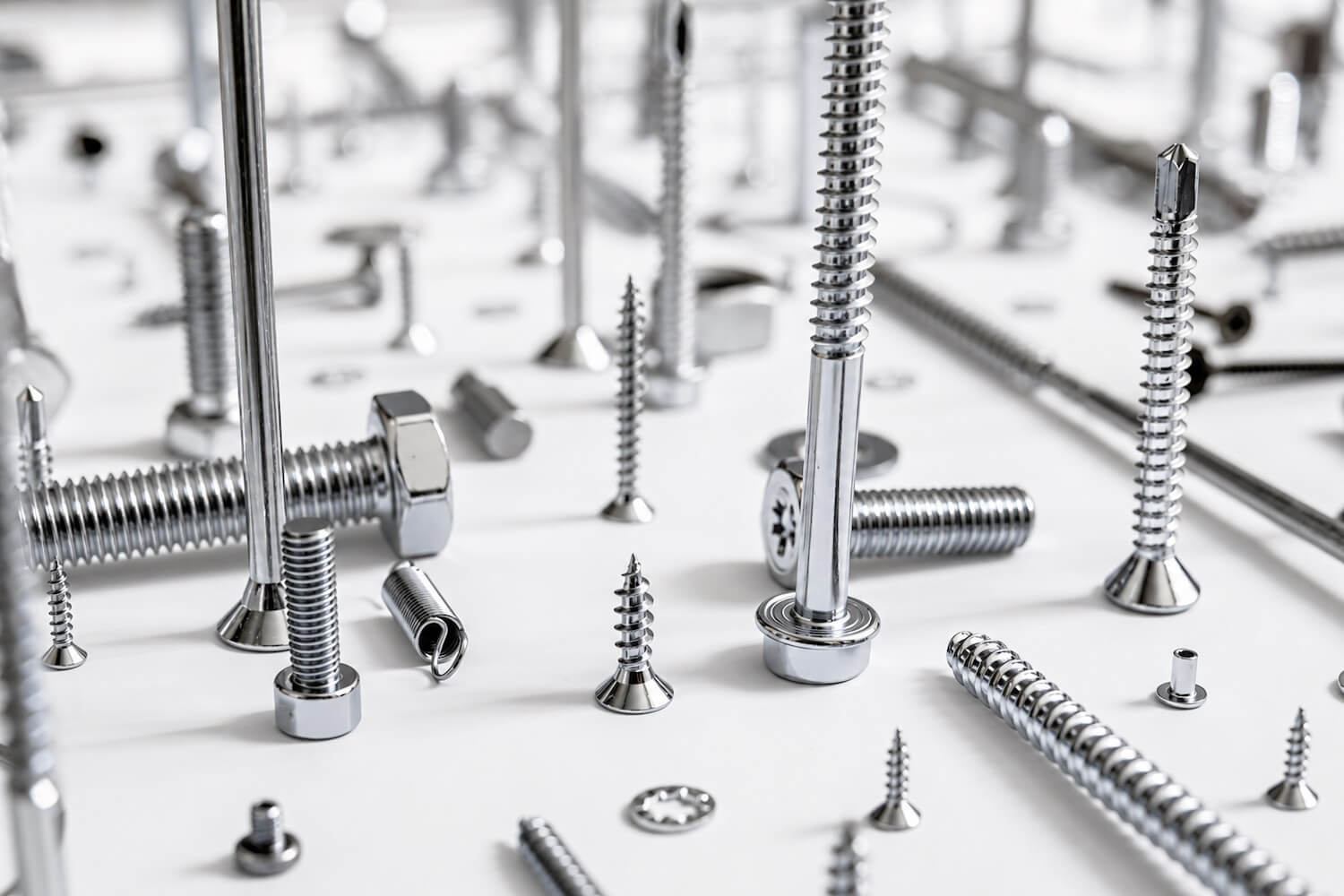
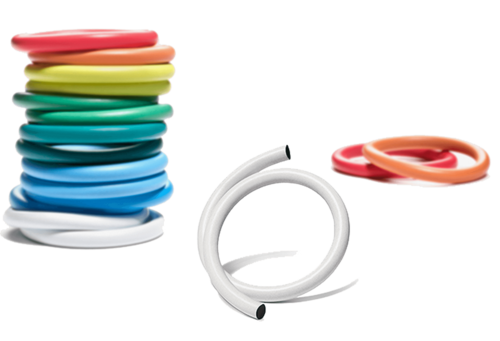
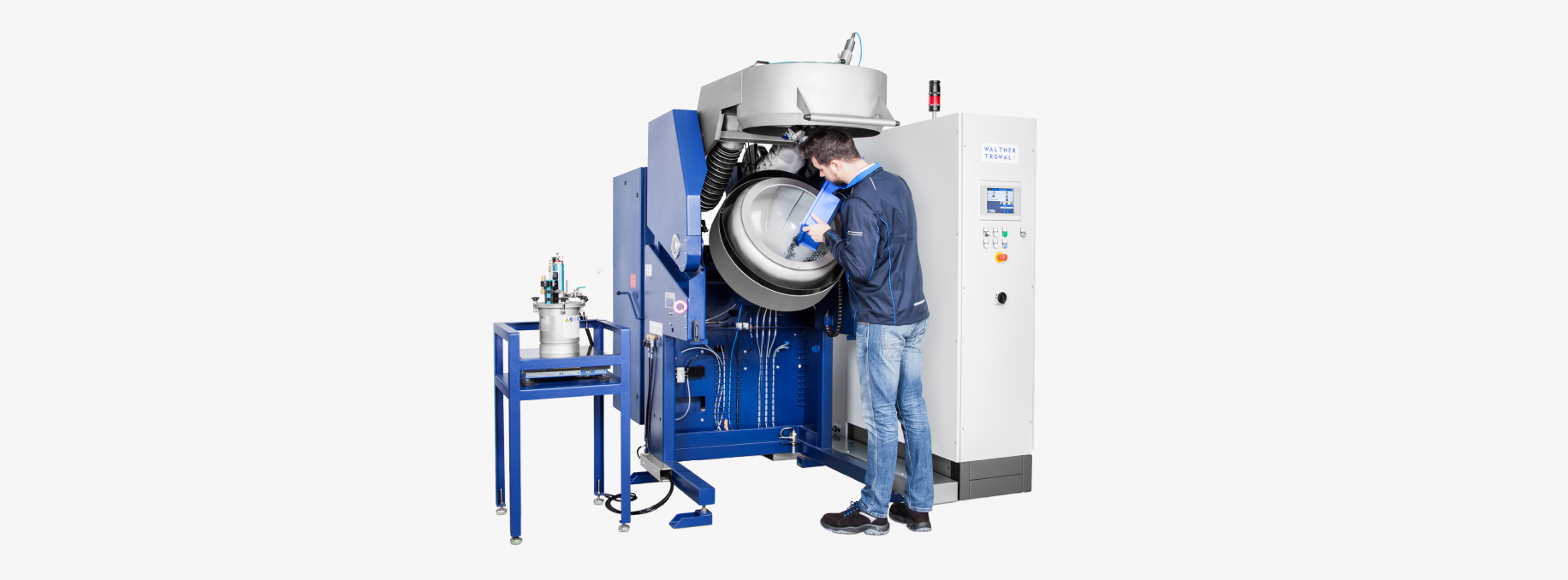
Many tool components, such as gears or small parts, need to be coated with an anti-seize compound to ensure the mechanism runs smoothly. Screws must be protected against corrosion.
The Rotamat is the cost-effective solution for both: the small parts are poured into the rotating work tank and emerge evenly coated.
Our experts in machinery and consumables will find the right solution for your specific application! Please feel free to get in touch directly or use the contact form.








Bruno Andreas Barbeitos Helfrich
H.J. Helfrich Comércio e Equipamentos Lda
h.j.helfrich@sapo.pt