

When it comes to components for the aerospace industry, there is far more at stake than just shiny surfaces: the safety of air travel and the efficiency of engines are the top priorities. The demands placed on the quality of surface finishing are correspondingly high.
Leading global manufacturers of aircraft components use our systems as a cost-effective solution for the surface finishing of their parts.
- In engines, mass finishing makes a decisive contribution to high energy efficiency and low noise levels.
- It ensures the stability of structural components for the fuselage and wings
- and refines the surfaces of small components.
In many aircraft, the surface quality of numerous components and the shape of their profiles play a crucial role.
The surfaces of engine components exposed to airflow must have precisely defined surface roughness values in order to achieve high efficiency, low fuel consumption and minimal noise levels. Furthermore, during machining, the original shape must be preserved with precision and reproducibility.
- In the case of structural parts, it is essential, amongst other things, to perform deburring and edge rounding in a targeted manner to prevent the formation of cracks.
- Many cast and milled parts have complex shapes; even internal contours must be perfect.
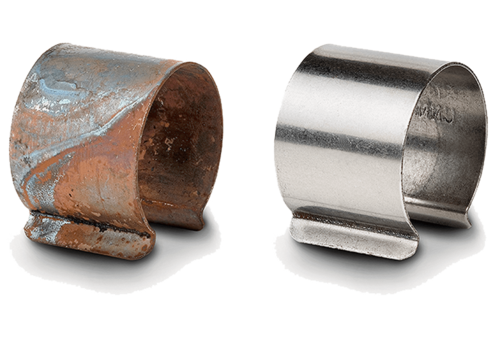
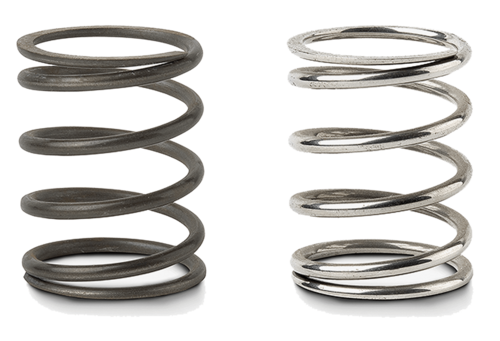
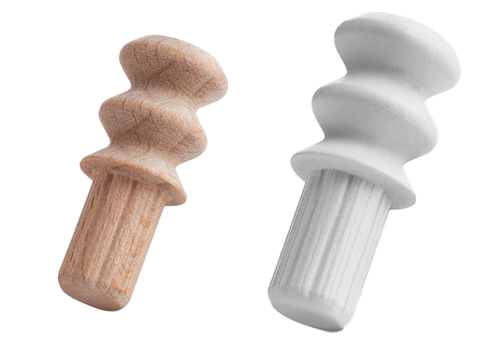
- Small parts must be given robust and durable protective or functional coatings.
To ensure the highest level of safety, only certified processes and certified consumables may be used for many processes.



Gentle and reproducible
Mass finishing – The tried-and-tested solution
Mass finishing of components for the aerospace industry is synonymous with:
- smooth, uniform surfaces
- precisely rounded edges
- short machining times
- absolute reproducibility
Walther Trowal’s vibratory finishing systems, abrasives and Compounds are precisely tailored to the specific challenges of the aerospace industry: they not only produce the desired surface finish, but also ensure that manufacturing tolerances are met with precision and reproducibility.
Our machines and consumables comply with international standards and guidelines and are approved by OEMs and MROs in the aerospace industry for a wide range of processes.


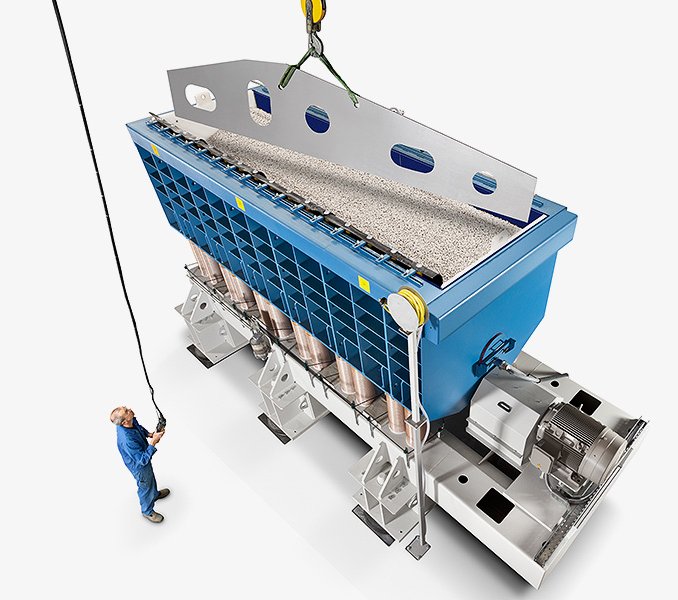
A key quality criterion in the manufacture of parts for the aerospace industry is the high level of process reproducibility. This can only be achieved if identical operating conditions are established for each individual workpiece and maintained throughout production.
That is why we always keep the entire process chain in view – the perfect interplay between machines, abrasive media and Compounds. A fundamental prerequisite for maximum process reliability is to automate the process wherever possible, thereby eliminating the human factor as far as possible.
In the aerospace industry, Walther Trowal is one of the few manufacturers to offer the full spectrum of mass finishing technology from a single source – including the automation of the process, from component handling through the actual finishing to the environmentally friendly treatment of Process water.
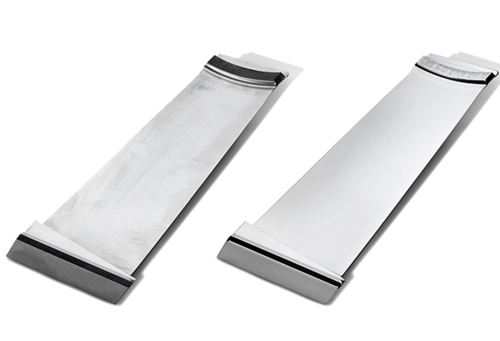
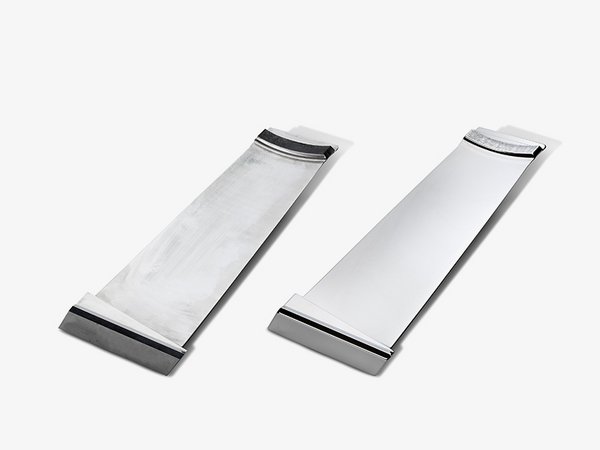
Surfaces exposed to fluid flow – starting from an initial roughness typically in the range of Ra 1.2 to 1.6 µm – should, on the one hand, exhibit a roughness of approximately Ra 0.6 to 0.2 following mass finishing. Furthermore, the functional edges must retain their original contour.
Walther Trowal’s vibratory finishing systems meet both criteria.
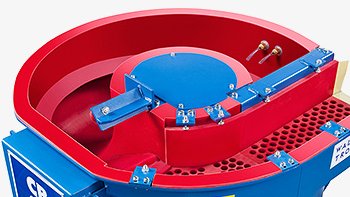
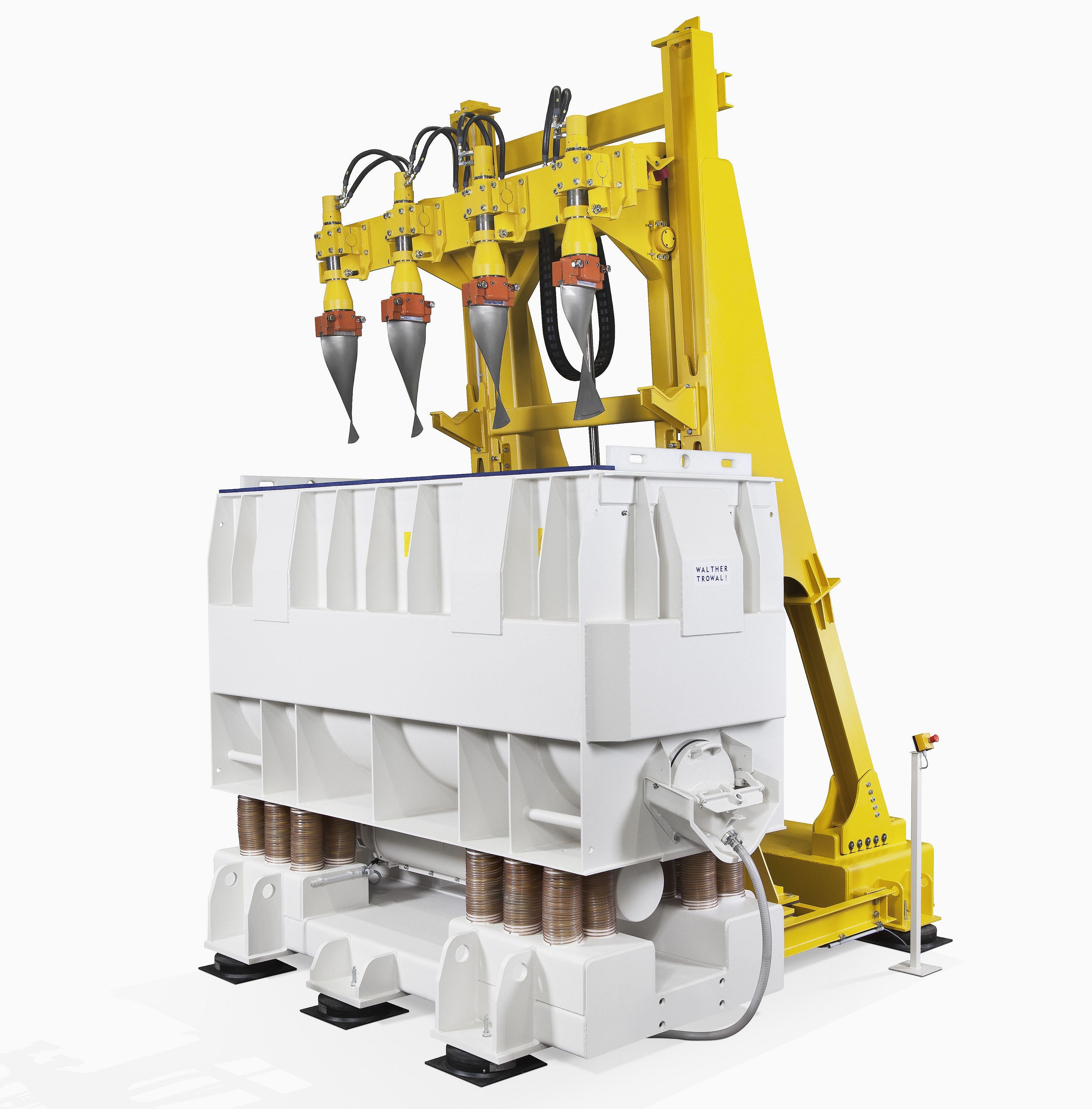
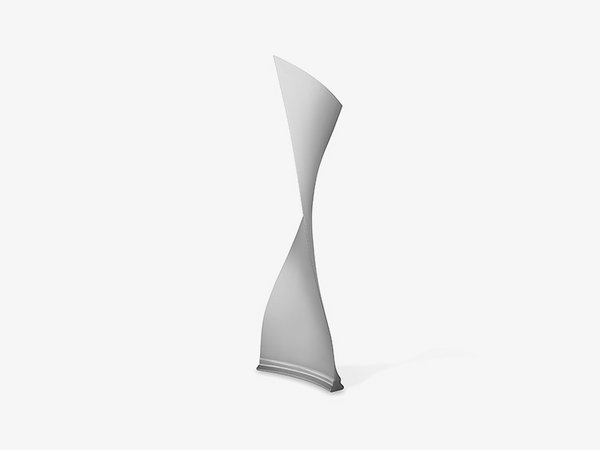
Walther Trowal is the only manufacturer to produce TFM series trough vibratory finishing machines for the vertical machining of turbine blades up to 1,000 mm in length for the engines of wide-body aircraft. The blades are clamped into a lifting frame outside the vibratory finishing machine and lowered into the mass of abrasive media.
The processing cycle takes less than two hours – significantly less than with manual finishing. The fact that the blades are always positioned exactly the same way in the abrasive bed ensures a high degree of reproducibility.
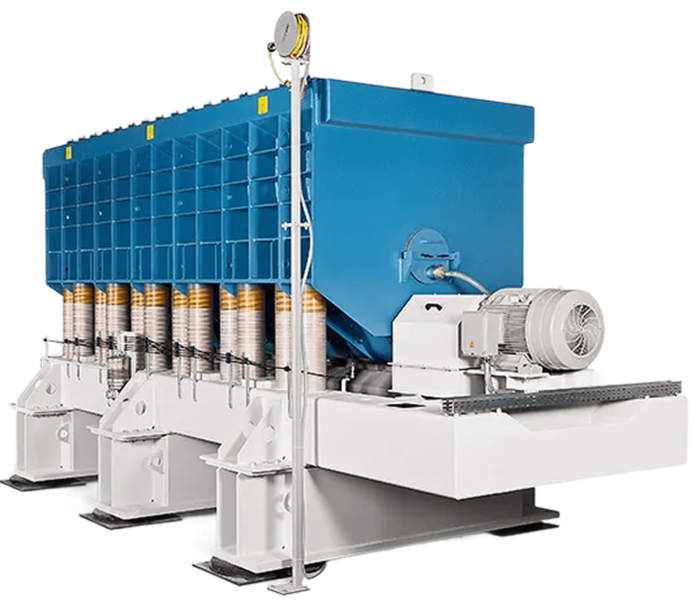
Trough vibratory finishing machines from the TMV series are often used for deburring and smoothing shorter blades. The blades either rotate freely within the abrasive bed or are clamped into holders that are inserted horizontally into the working tank. This makes it easy to switch between different blade geometries.
Trough vibratory finishing machines are used, amongst other things, in the maintenance, repair and overhaul (MRO) of blades. They treat the surface gently and evenly, whilst fully preserving the contour.
The blades in the compressor and turbine usually undergo several vibratory finishing processes at different stages of manufacture. For example, they are both deburred and smoothed after forging and after machining. Depending on their size and stage of manufacture, they are processed in circular vibratory finishing machines and centrifugal finishing systems.
In the TX Finisher, the blades are securely clamped to the working tank and processed whilst the unbalanced motors are running at high speed. This allows highly sensitive components to be smoothed and polished very gently and cost-effectively in a short space of time.
Titanium and Inconel guide vanes are usually smoothed in circular vibratory finishing machines or trough vibratory finishing machines, or polished from a surface roughness value of Ra 1.2 to less than 0.4 µm.
When machining discs, the focus is usually on deburring and controlled edge rounding.
Walther Trowal has developed the CM circular vibratory finishing machine specifically for blisks. Depending on their initial condition, the blades should have a surface roughness of approximately Ra 0.2 to 0.4 µm after mass finishing.
For larger blisks and stator rings, Walther Trowal manufactures the MV multivibrator. It primarily smooths the surfaces. The original shape is retained and very little material is removed, particularly from the functional edges.
For the large engines of modern wide-body aircraft, the MV 50 multivibrator is the world’s first to accommodate blisks, stator rings or turbine impellers with a diameter of up to 1,300 mm.
In many factories, multi-vibratory finishing machines have reduced the machining time for typical parts from several days to just a few hours compared with manual machining.
Whilst the focus for components subjected to fluid flow is mainly on smooth surfaces and the contour of the edges, for structural components the emphasis is on deburring and edge rounding to prevent cracks caused by notch effects.
A particular advantage of mass finishing is that – unlike with manual or robotic machining, where they are unavoidable – no secondary burrs are produced.
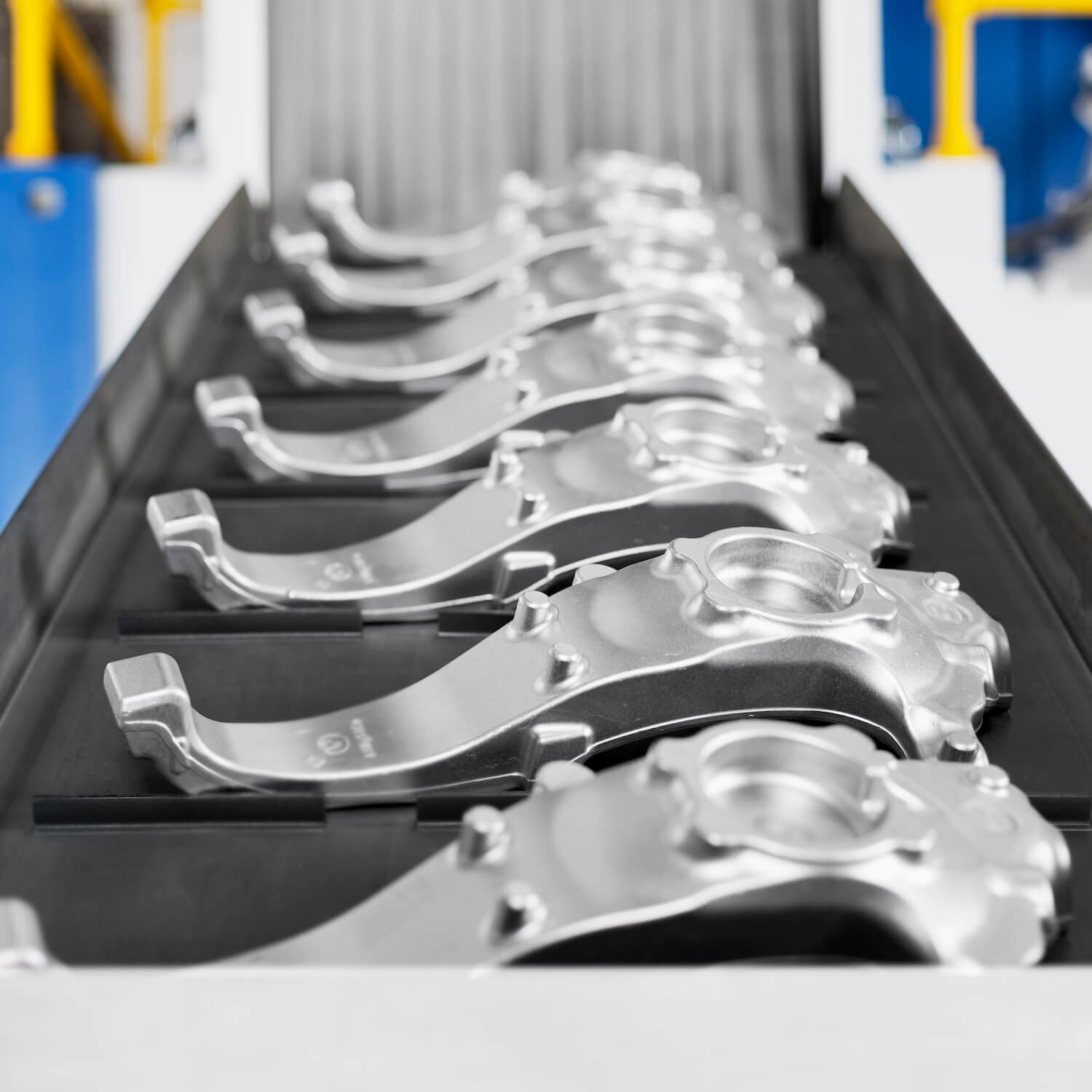
For components several metres long used in the fuselage and wings – such as wing ribs or spars – the TMV trough vibratory finishing machines are the ideal solution. They can accommodate structural components up to 6,800 mm in length and longer.
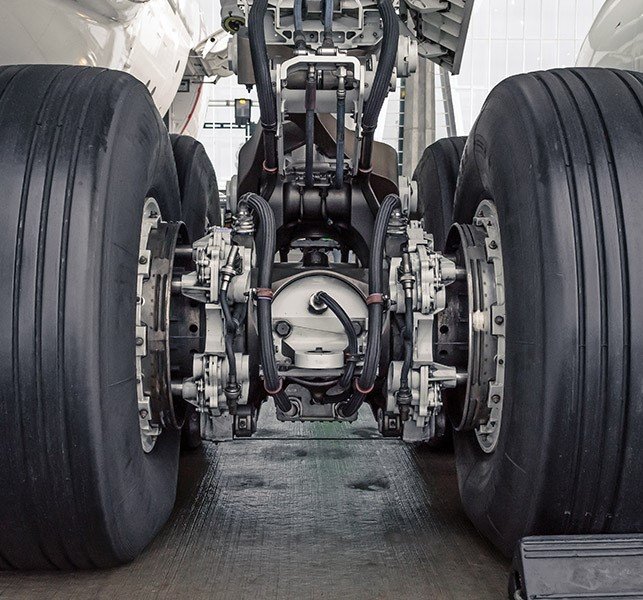
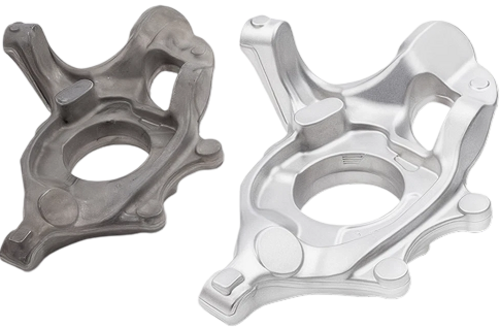
Even after the casting, forging or milling of many other aircraft components, mass finishing remains a tried-and-tested and cost-effective solution … whether for deburring, edge rounding or smoothing and polishing parts. A particular advantage of mass finishing is that the abrasive media can also reach the interior of components.
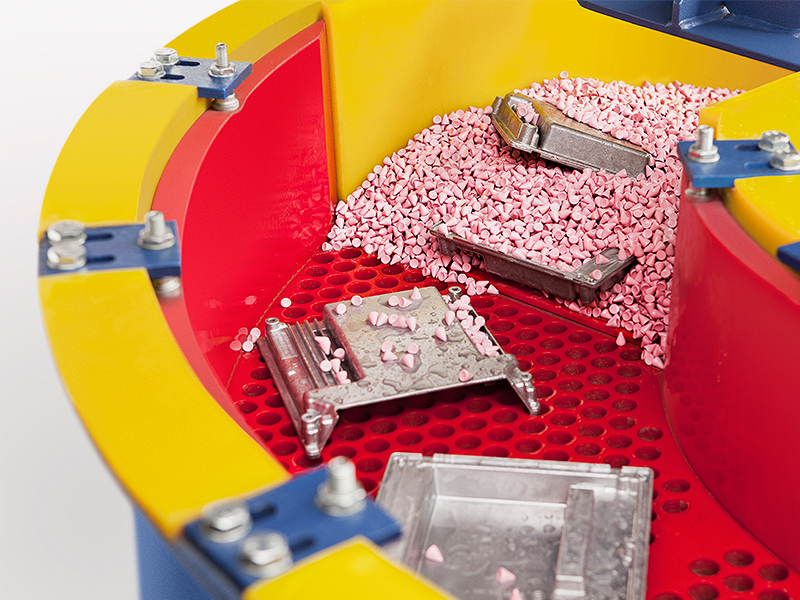
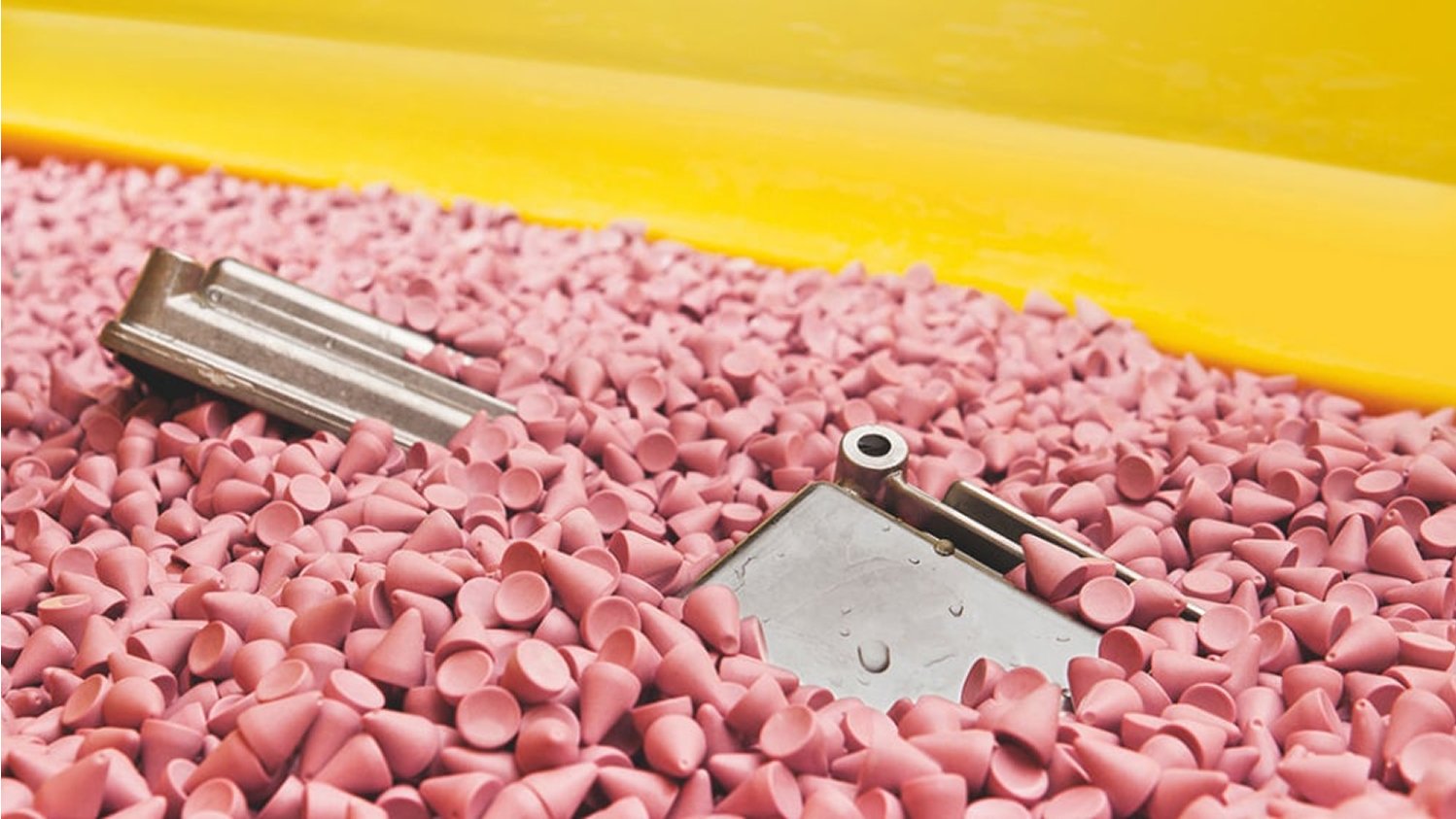
For cast, forged or machined components up to a few centimetres in size, circular vibratory finishing machines are predominantly used. Depending on the task at hand, the parts are either poured loose into the mass of abrasive media or clamped into the machine to ensure they do not come into contact with one another.
Large steel chassis components that have been machined are usually smoothed and deburred in Trough vibratory finishing machines. The particular advantage of mass finishing is that the radius of the edges can be precisely controlled. This prevents cracks caused by notches.
Wheels and brake system components are deburred in MV-series circular vibratory finishing machines.
Walther Trowal has developed a trough vibratory finishing machine specifically for engine casings with heavy burrs, made from materials that are difficult to machine, featuring a lifting mechanism that rotates during mass finishing.
Many smaller milled parts – ranging from hydraulic components, gearbox parts and door locks to seatbelt buckles – are mainly tumbled in rotary or Multi-vibratory finishing machines and Centrifugal finishing systems.
Small parts coating for the aerospace industry
Small parts in bulk
Aircraft contain many small parts which are subject to stringent surface requirements and which need to be coated in large quantities using a variety of materials … for example, fasteners, screws or bolts.
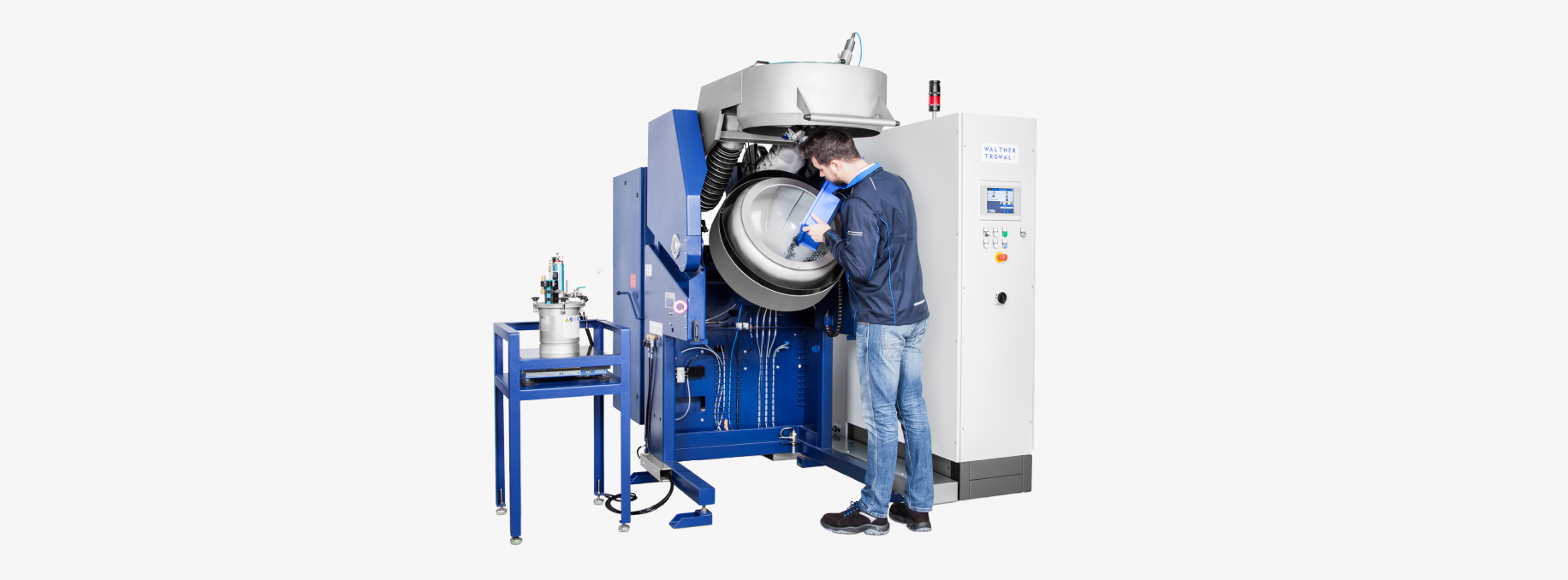
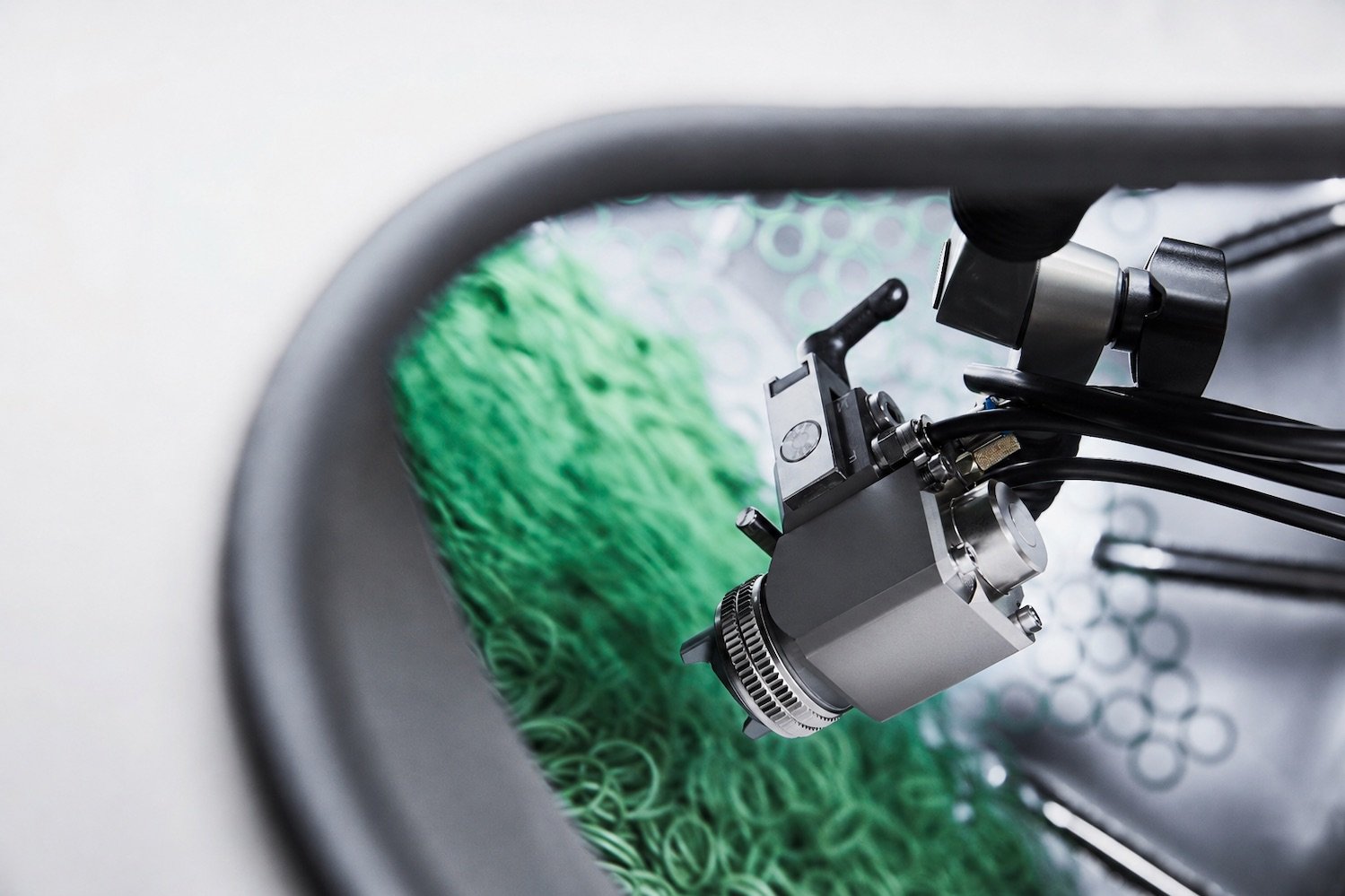
For the efficient surface finishing of these small mass-produced parts, tumble coating with Rotamat machines is the cost-effective solution. It is suitable for a wide range of parts made from metal or various plastics.
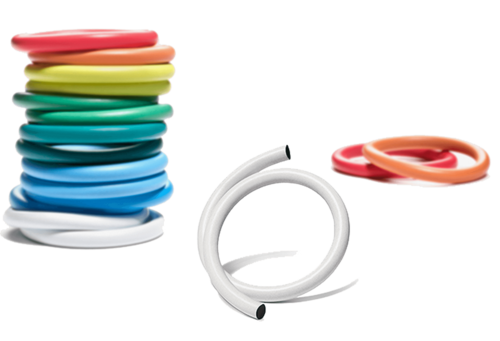
The Rotamat produces a uniformly coated surface with consistent film thickness and high long-term stability of the material application. It applies coatings such as anti-corrosion paints to parts. It applies an insulating coating to electronic components – such as ferrite cores and rings, as well as capacitor sleeves. It applies anti-friction coatings to small parts such as O-rings or sealing components. These reduce friction coefficients and prevent chattering and stick-slip effects.
Dozens of Rotamat machines are in use worldwide in the aerospace industry.

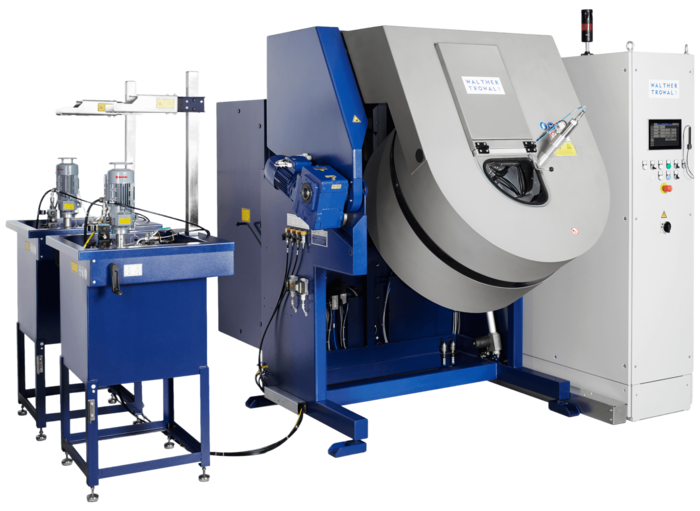

Our experts in machinery and consumables will find the right solution for your specific application! Please feel free to get in touch directly or use the contact form.








Bruno Andreas Barbeitos Helfrich
H.J. Helfrich Comércio e Equipamentos Lda
h.j.helfrich@sapo.pt