Mass finishing without harsh chemicals
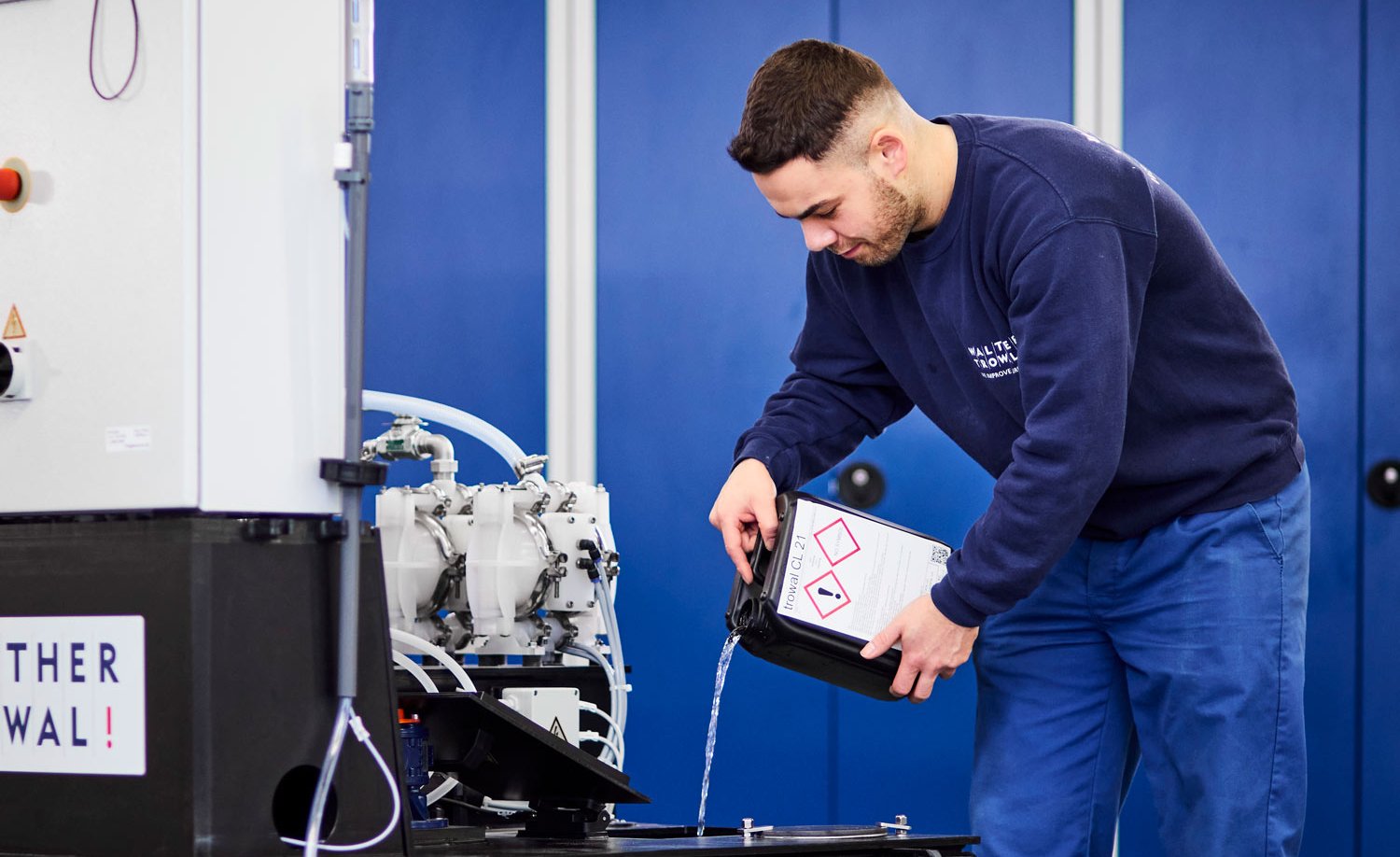
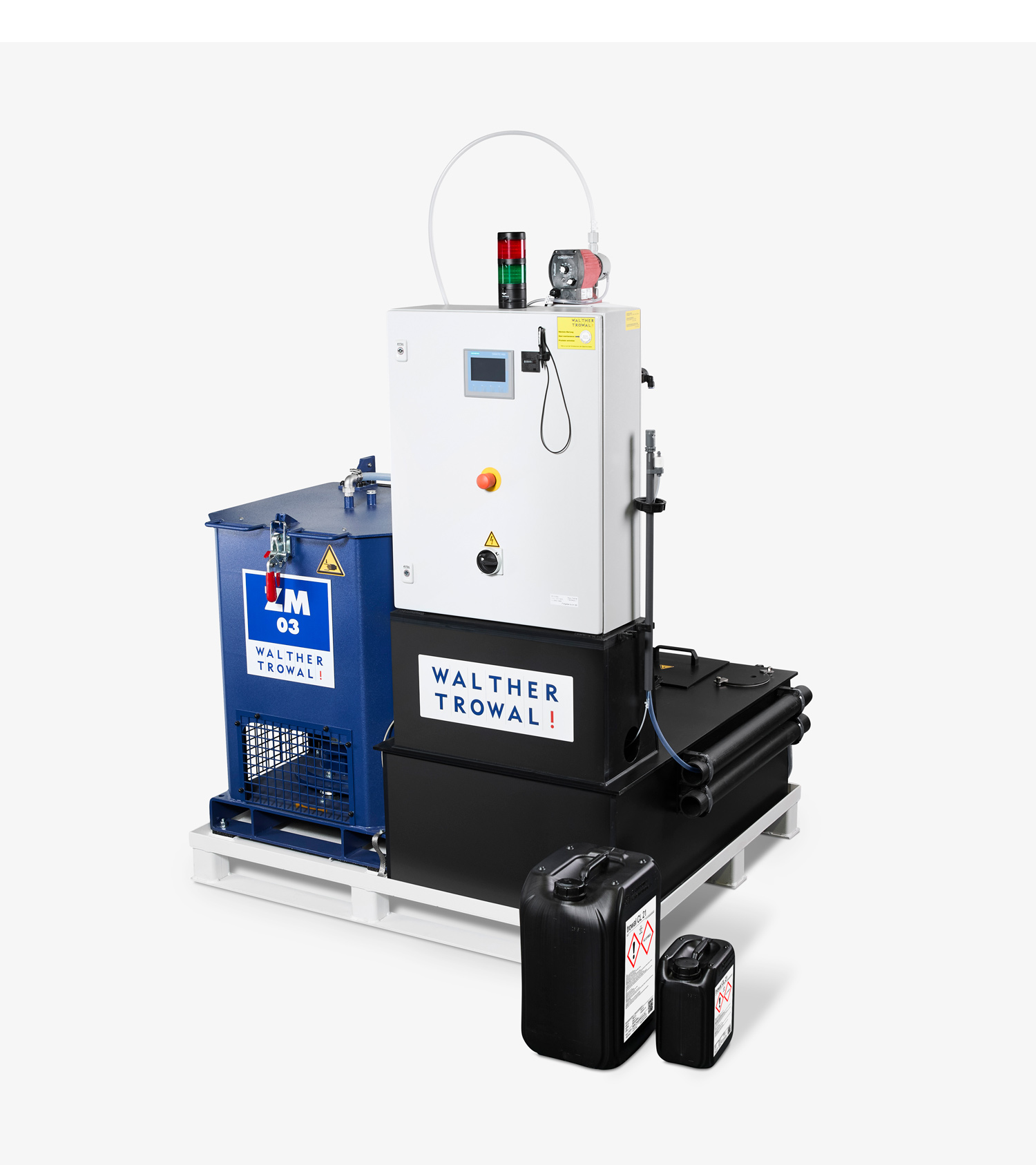
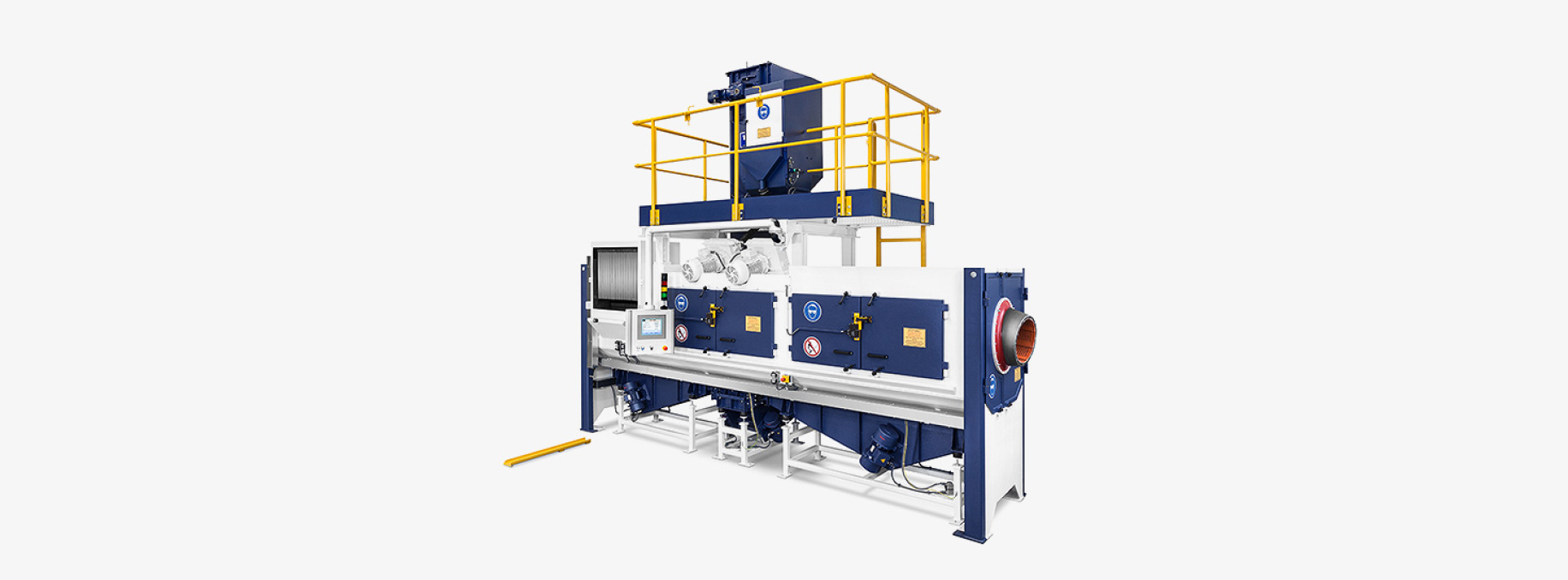
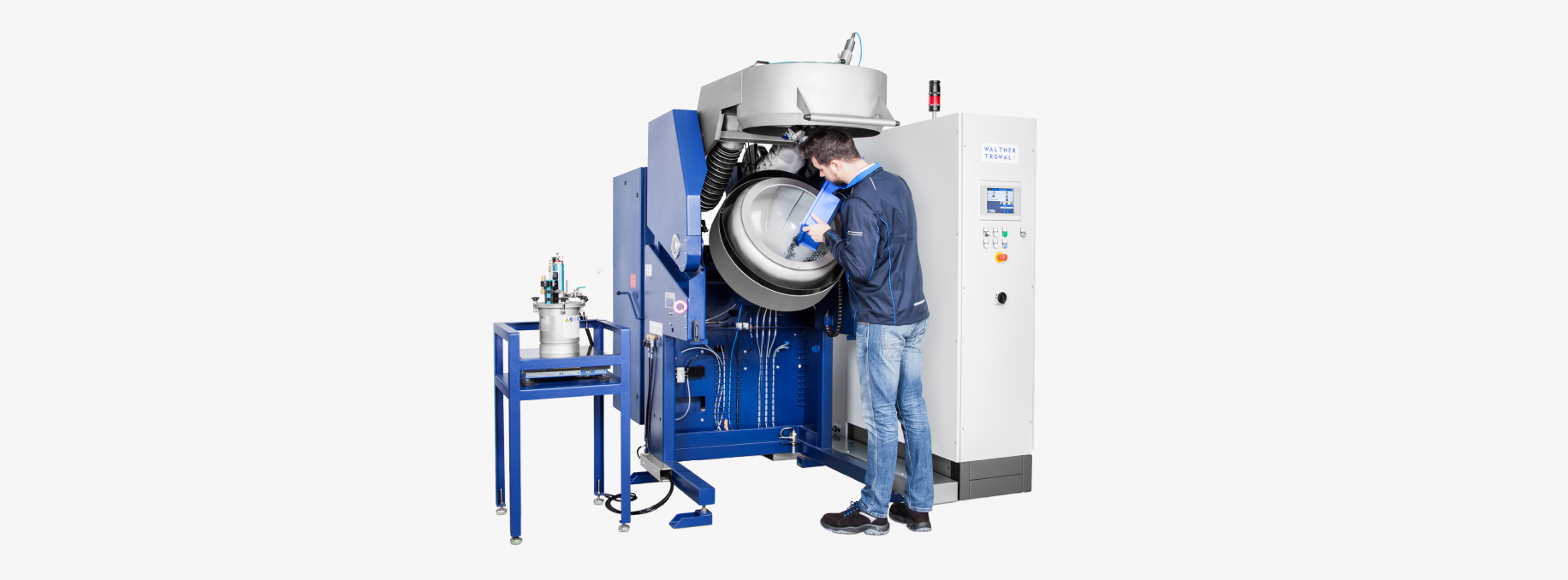
With its new CL 21 system cleaner for cleaning vibratory finishing machines, Walther Trowal is replacing biocidal agents with a surfactant-based product. In doing so, the company is reducing the effort involved in handling hazardous substances, improving environmental performance and halving the costs of disposing of waste water at many of its plants. Users report that they are gaining additional production days, as cleaning takes place whilst production is ongoing.
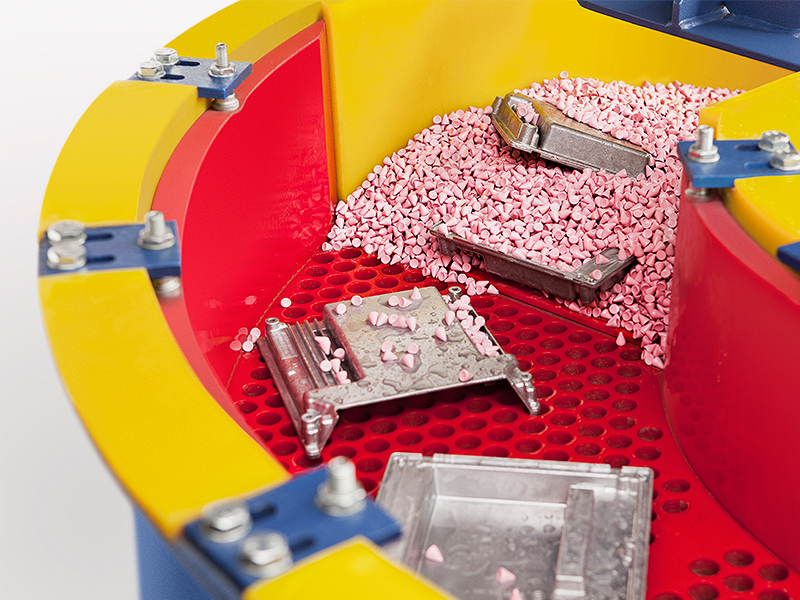
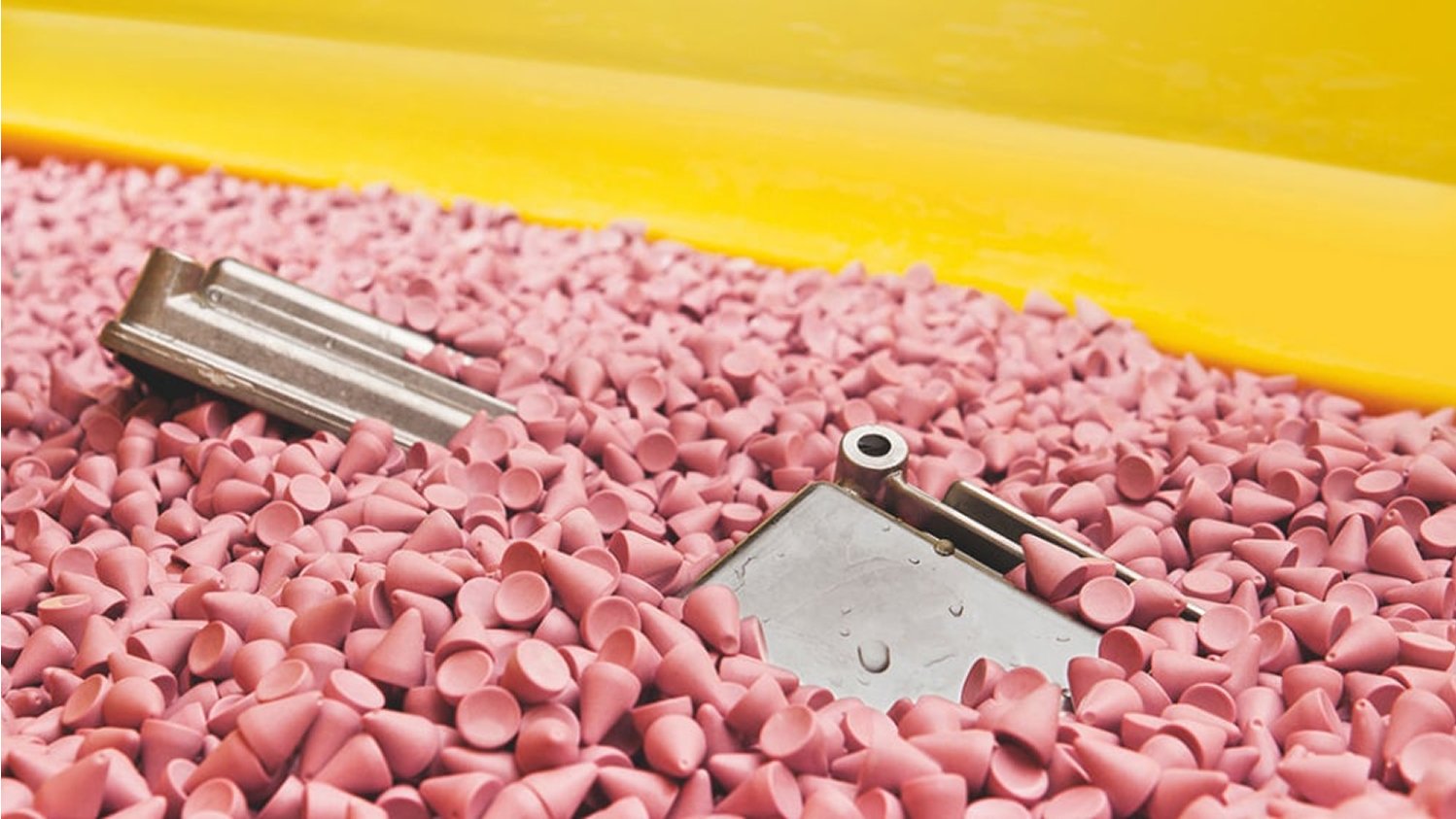
The mass finishing of metal parts is recognised as being very environmentally friendly, as in most systems the Process water circulates in a closed-loop system. However, cleaning of the tanks and pipework must be carried out from time to time, as the water contains organic matter that gives rise to unpleasant odours. Furthermore, the bacteria present in the water release acids that cause corrosion in the systems.
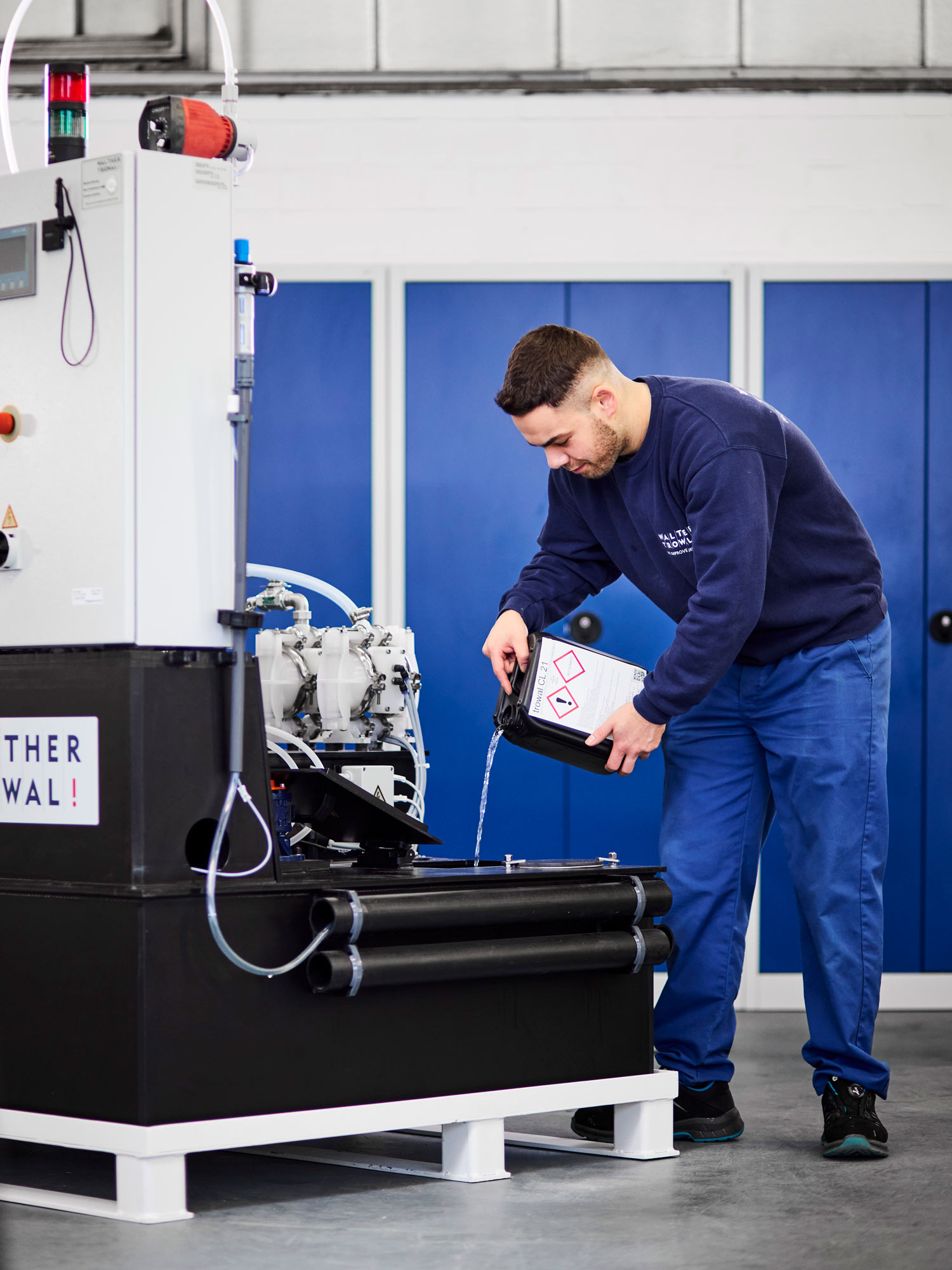
However, simply replacing the Process water is not enough, as a biofilm adheres to the inner walls of the system which is difficult to remove. To dislodge it, biocides have usually been used in the past. These fall under the Biocidal Products Regulation, and as a result, the wastewater is classified as a hazardous substance. Disposing of it incurs high costs, as the biocide must be filtered out of the water in a complex process before it can be discharged into the sewer system.
The new CL 21 system cleaner for vibratory finishing systems, on the other hand, is based on surfactants. It is not a biocide – the wastewater produced during cleaning can be discharged directly to the company’s own wastewater treatment system or to specialist waste disposal companies without any pre-treatment. The costs previously associated with the disposal of water classified as a hazardous substance are eliminated.
With the development of CL 21, Walther Trowal is breaking new ground as the first manufacturer of vibratory finishing systems. The reason for this is that the biofilm naturally contains no environmentally hazardous substances that would necessitate the use of biocides. It is therefore sufficient to destabilise the biofilm so that it detaches from the inner walls of the vibratory finishing machines. It is then discharged into the sewer system; there is no need for a ‘chemical sledgehammer’.
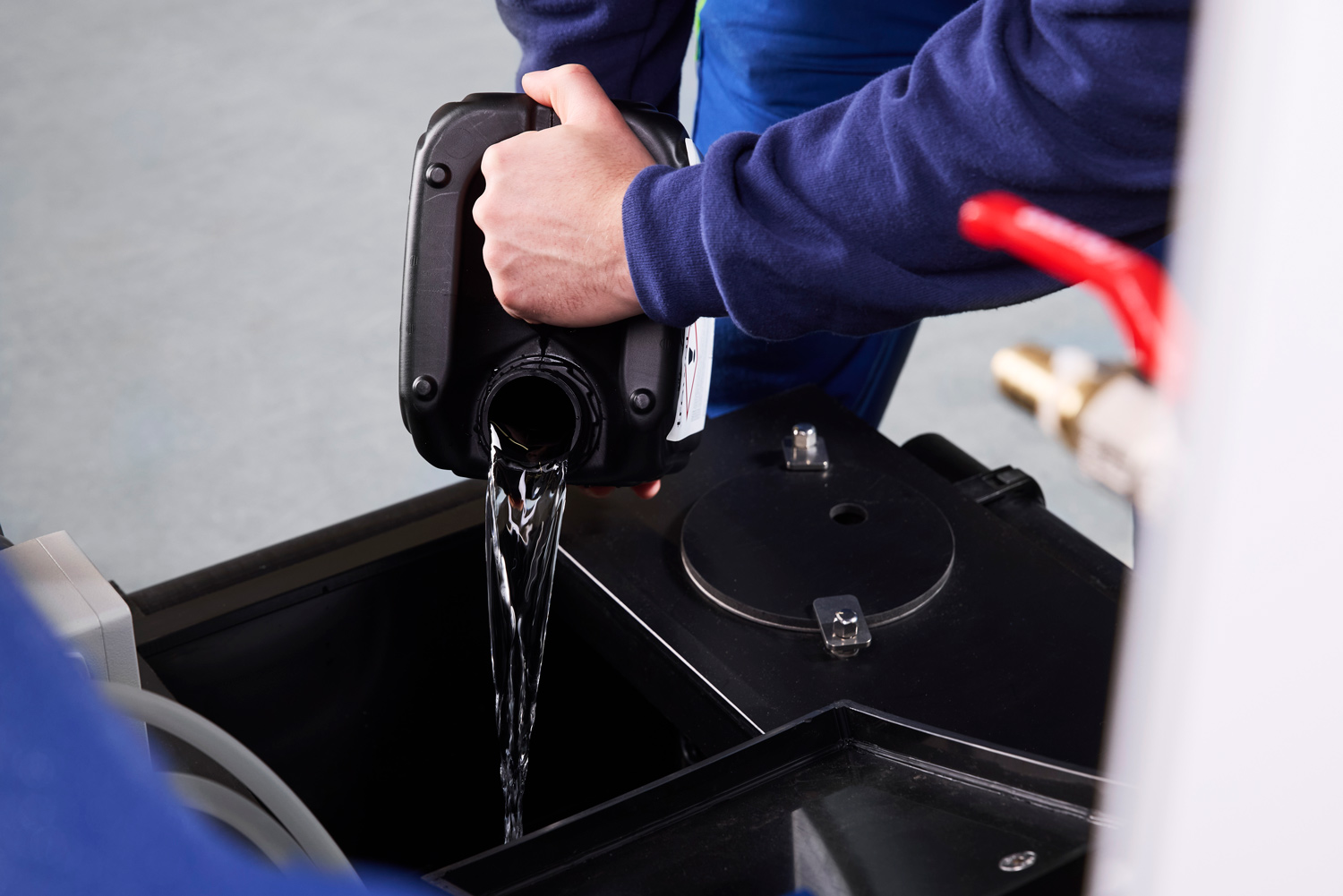
Furthermore, the mass finishing system does not need to be rinsed through again after cleaning. This reduces the volume of waste water that needs to be treated or disposed of by two-thirds. Overall, disposal costs with CL 21 are only half those incurred when using biocides.
Some applications report that CL 21 enables them to gain between 24 and 72 hours of additional production time. They add it to the Process water shortly before a scheduled cleaning cycle, whilst the grinding process continues without interruption. The water containing the biofilm is then drained off.
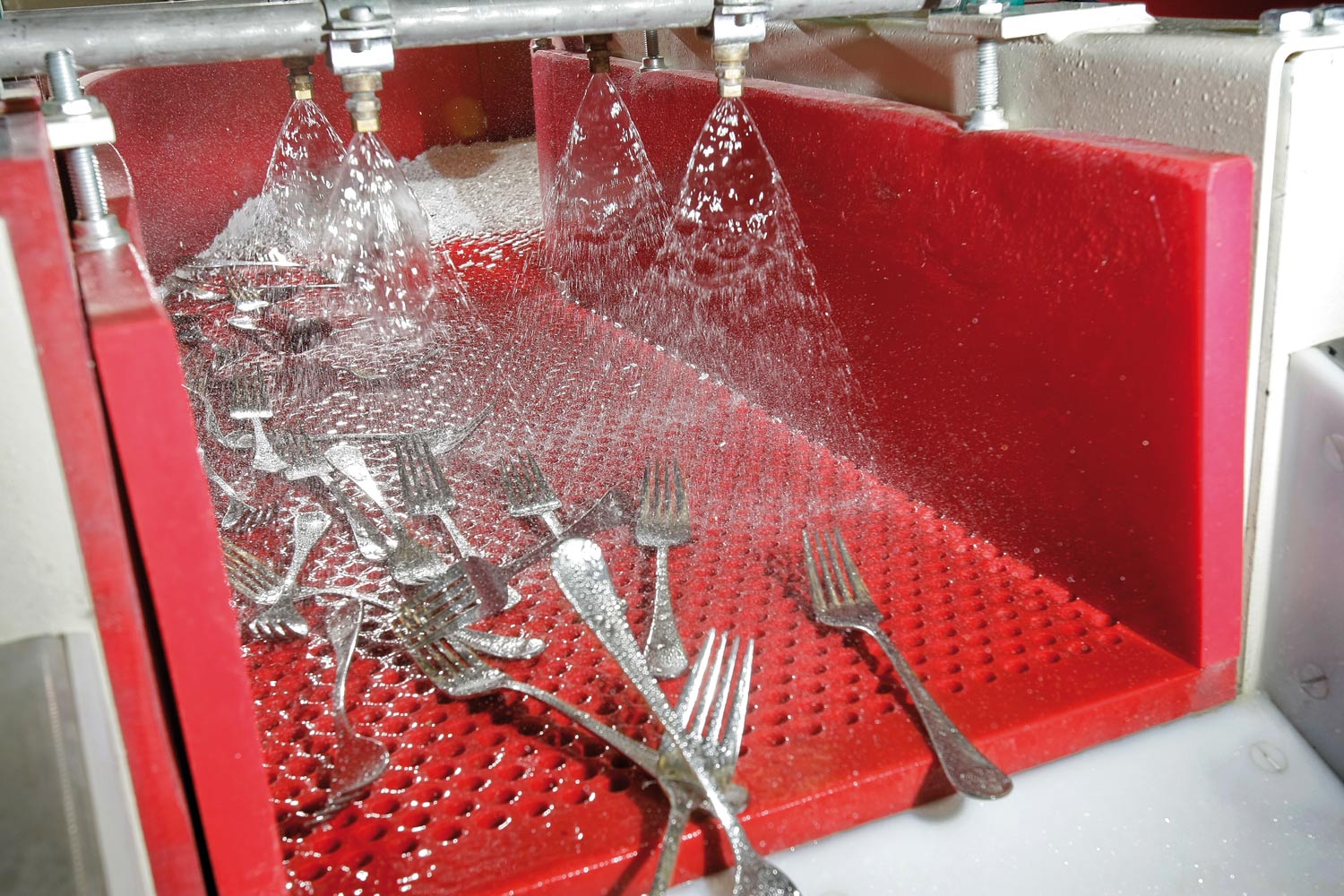
Dr Andreas Funk, Product Manager at Walther Trowal, has thought outside the box: “We asked ourselves whether a biocide is really necessary to remove harmless biofilm … whether we really need to use a sledgehammer to crack a nut. After all, the wastewater from system cleaning doesn’t need to be clinically pure; it just needs to be free of hazardous substances. CL 21 achieves this in a far more environmentally friendly and cost-effective way than biocides.”
The wastewater from system cleaning simply needs to be free of hazardous substances. CL 21 achieves this in a far more environmentally friendly and cost-effective way than biocides.
CL 21 is also used in flow-through systems for system cleaning following extended periods of inactivity, for example after company holidays, during which time any bacteria remaining in the collection tanks may have multiplied.