
Mass finishing without microplastics
The principle behind mass finishing is that, during the deburring, grinding and polishing of parts, small particles are removed from the surface. Plastic abrasive media are increasingly being used for this purpose, and these too wear out over time. Against the backdrop of the debate on microplastics, the question arises as to how we can ensure that the micro- and nanoparticles produced during mass finishing do not enter the environment.
Although mass finishing for machining parts is classified as a metal-removal process, the resulting abrasion is very fine and accumulates in the Process water. On the one hand, it originates from the parts themselves, which are usually made of metal. On the other hand, it may also contain micro- and nanoparticles from the abrasive media – which are often made of plastic nowadays – or from the polyurethane coating on the mass finishing machines, if these are also slowly ground down during mass finishing.
The question of whether microplastics can be released into the environment is therefore entirely justified. The particle sizes typically range from a few micrometres down to the nanometre range. To prevent any impact on our environment, it must be ensured that these particles do not enter water bodies.
Walther Trowal offers solutions for both vibratory mass finishing processes – the recirculating and the through-flow systems – which ensure that no microplastics are released during mass finishing.
Recirculation technology: tried and tested in many Applications
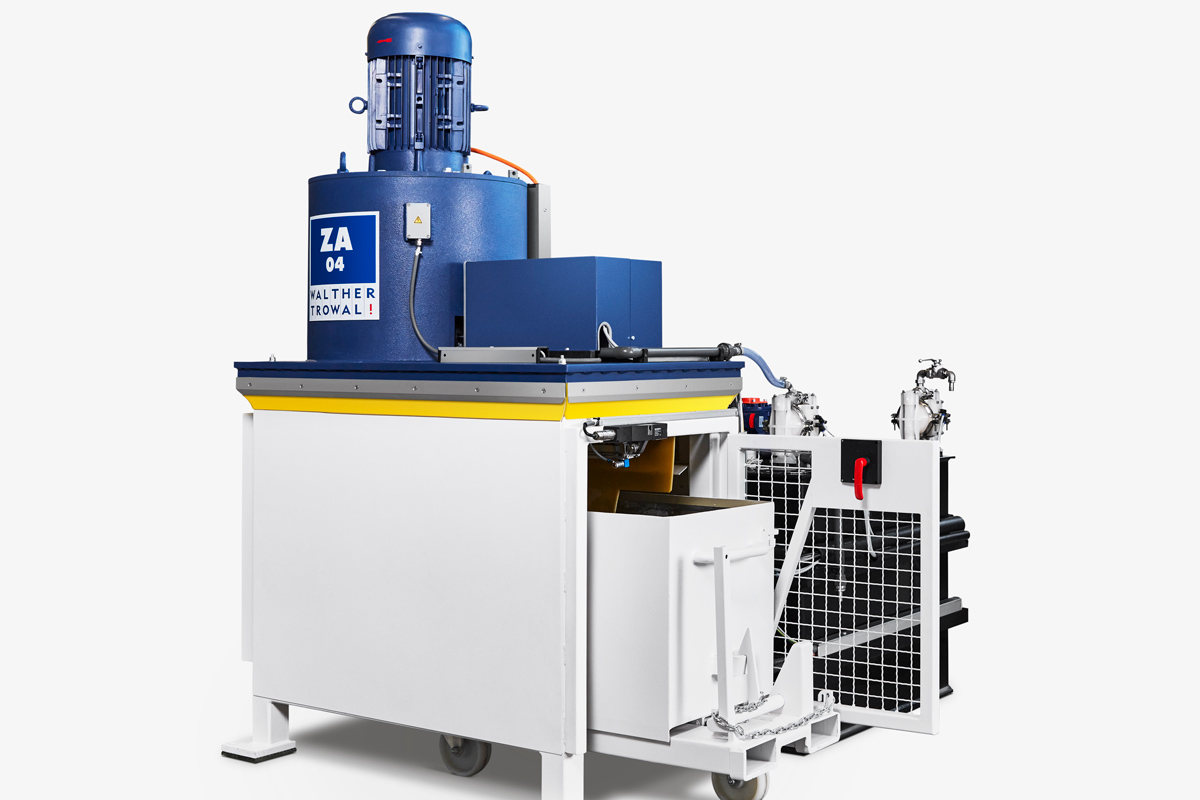
The recirculation system remains the most widely used method. The process water is continuously recirculated within a closed system, where it is separated from solids in a centrifuge or settling tank before being returned to the cycle. When the recirculating water is replaced at regular intervals, the proper disposal of the sludge ensures that no micro- or nanoparticles are released into the environment.
The result: parts with outstanding surface properties, combined with environmentally friendly and cost-effective operation without the release of microparticles.
Continuous-flow technology: for specialised requirements
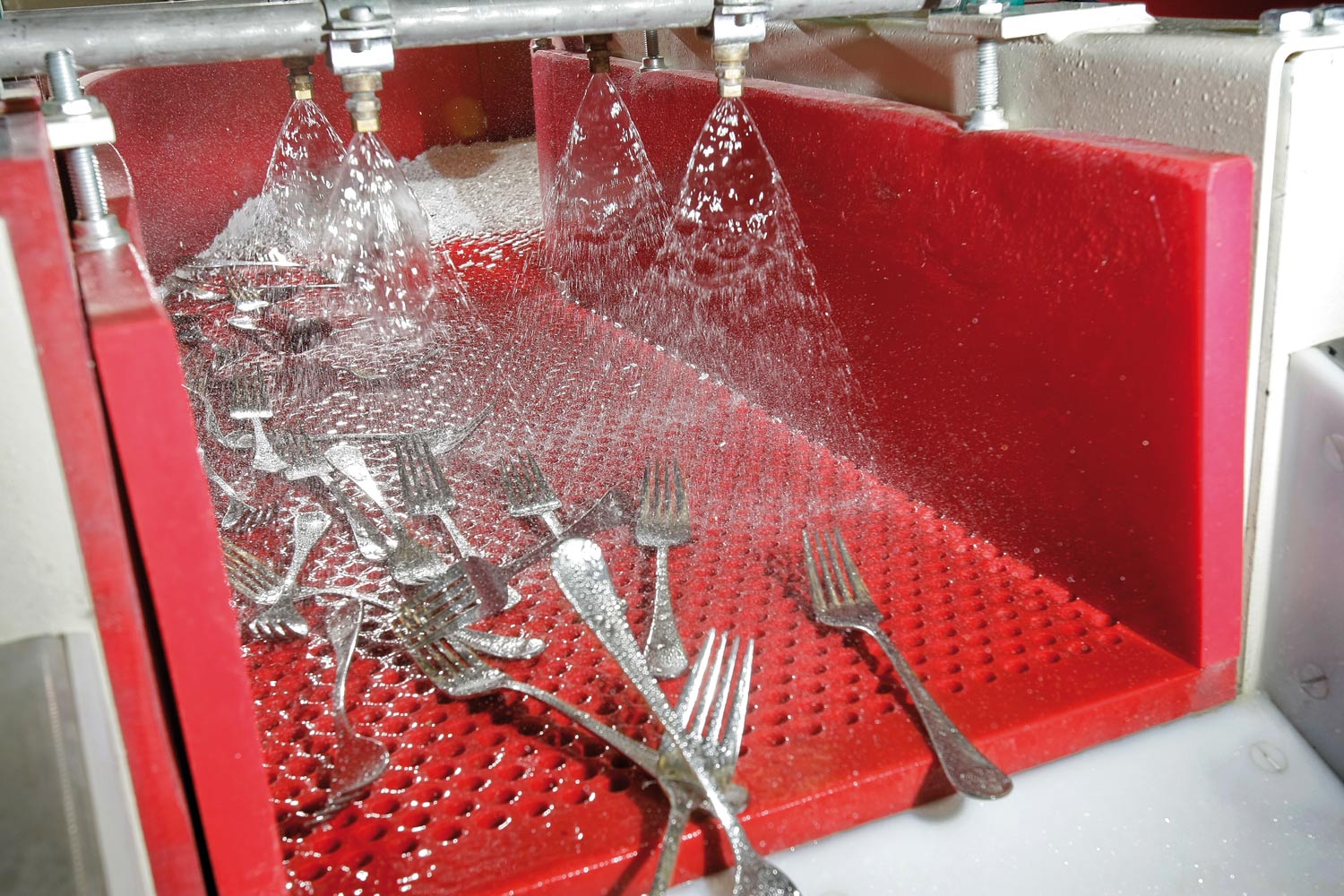
Where a wide variety of products need to be processed – products that are subject to particularly high cleanliness standards or that require different Compounds – continuous-flow systems are the method of choice. This applies, for example, when parts need to be so clean after Mass finishing that they no longer require cleaning prior to assembly.
Furthermore, the mass finishing system does not need to be rinsed through again after cleaning. This reduces the volume of waste water that needs to be treated or disposed of by two-thirds. Overall, disposal costs with CL 21 are only half those incurred when using biocides.
Some applications report that CL 21 enables them to gain between 24 and 72 hours of additional production time. They add it to the Process water shortly before a scheduled cleaning cycle, whilst the grinding process continues without interruption. The water containing the biofilm is then drained off.
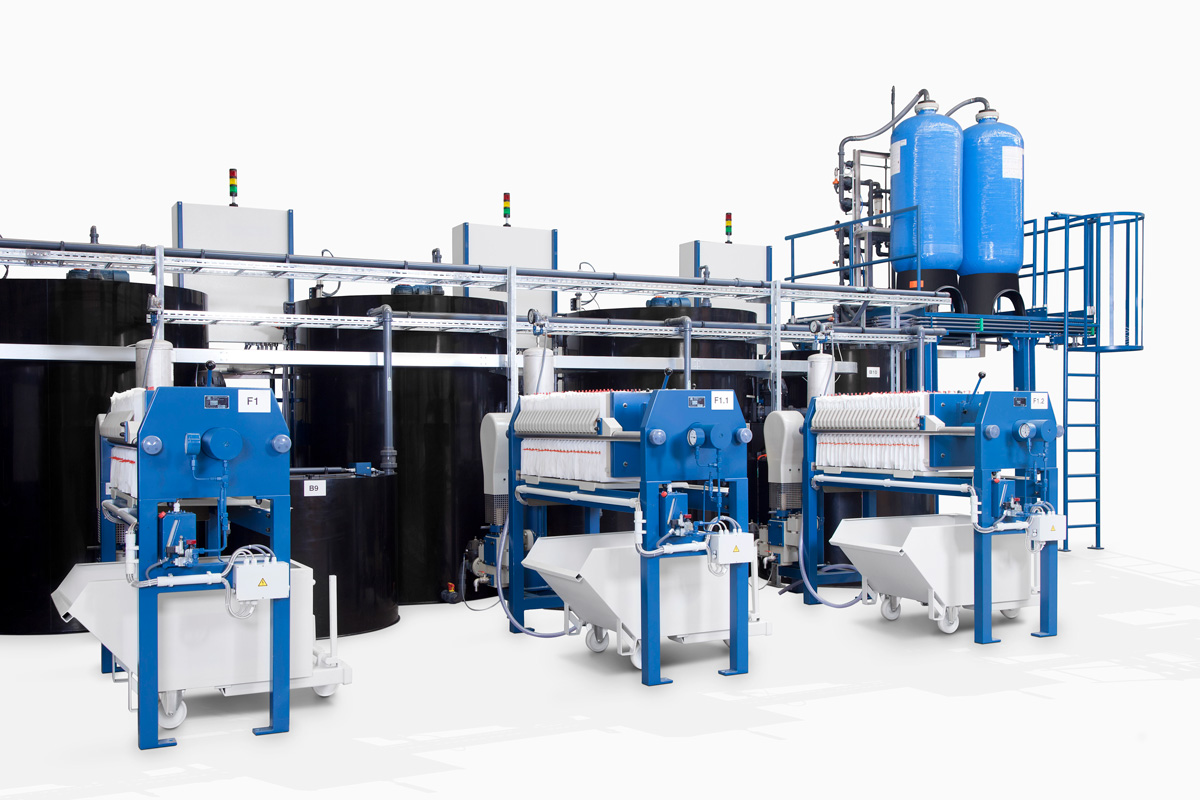
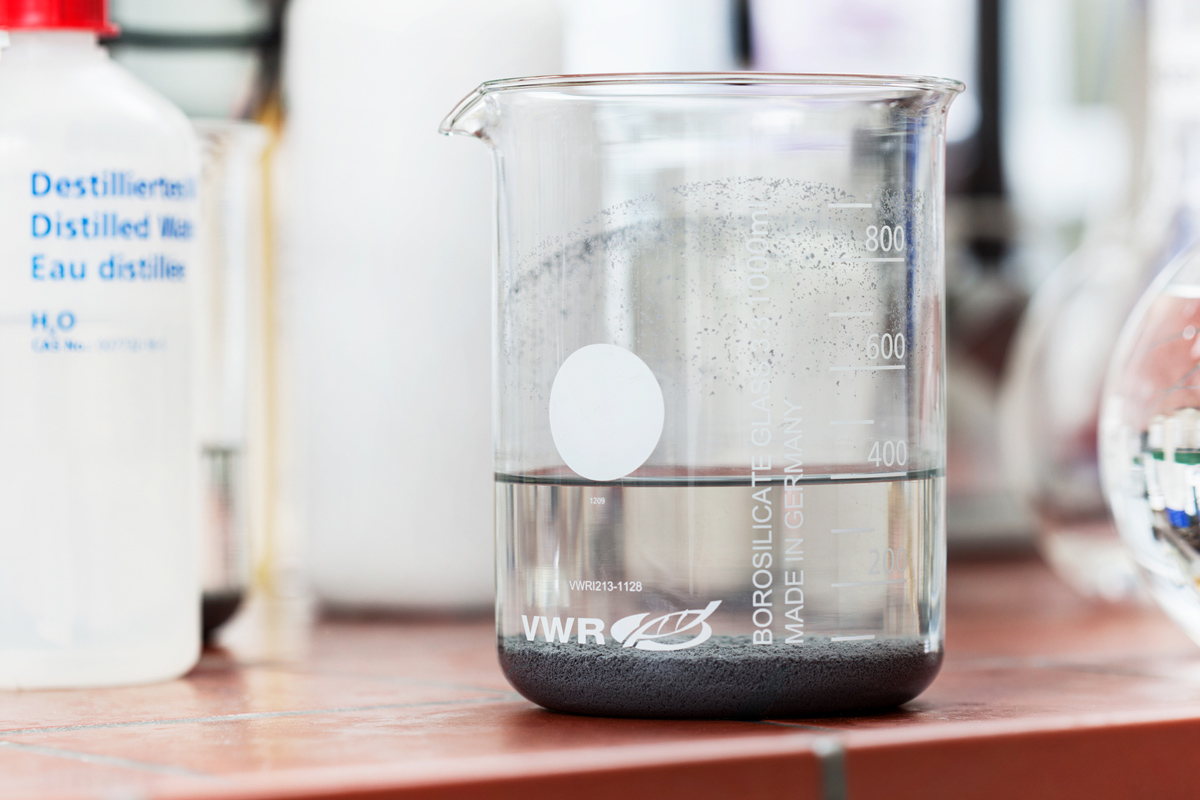
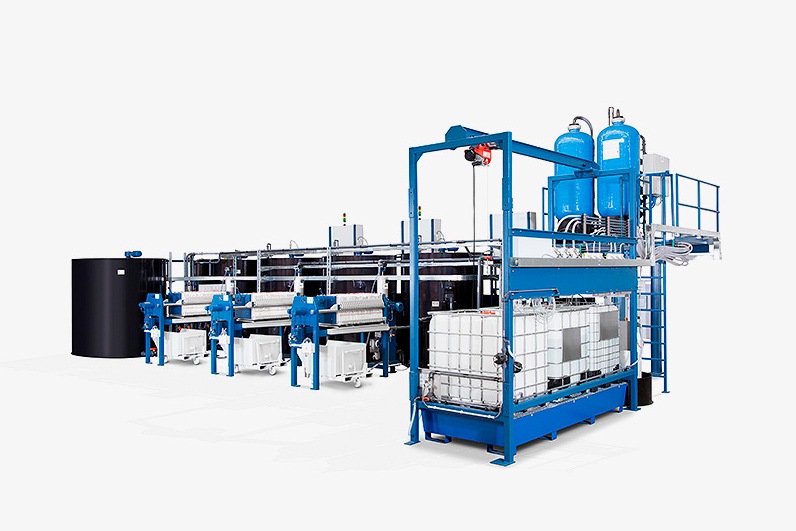
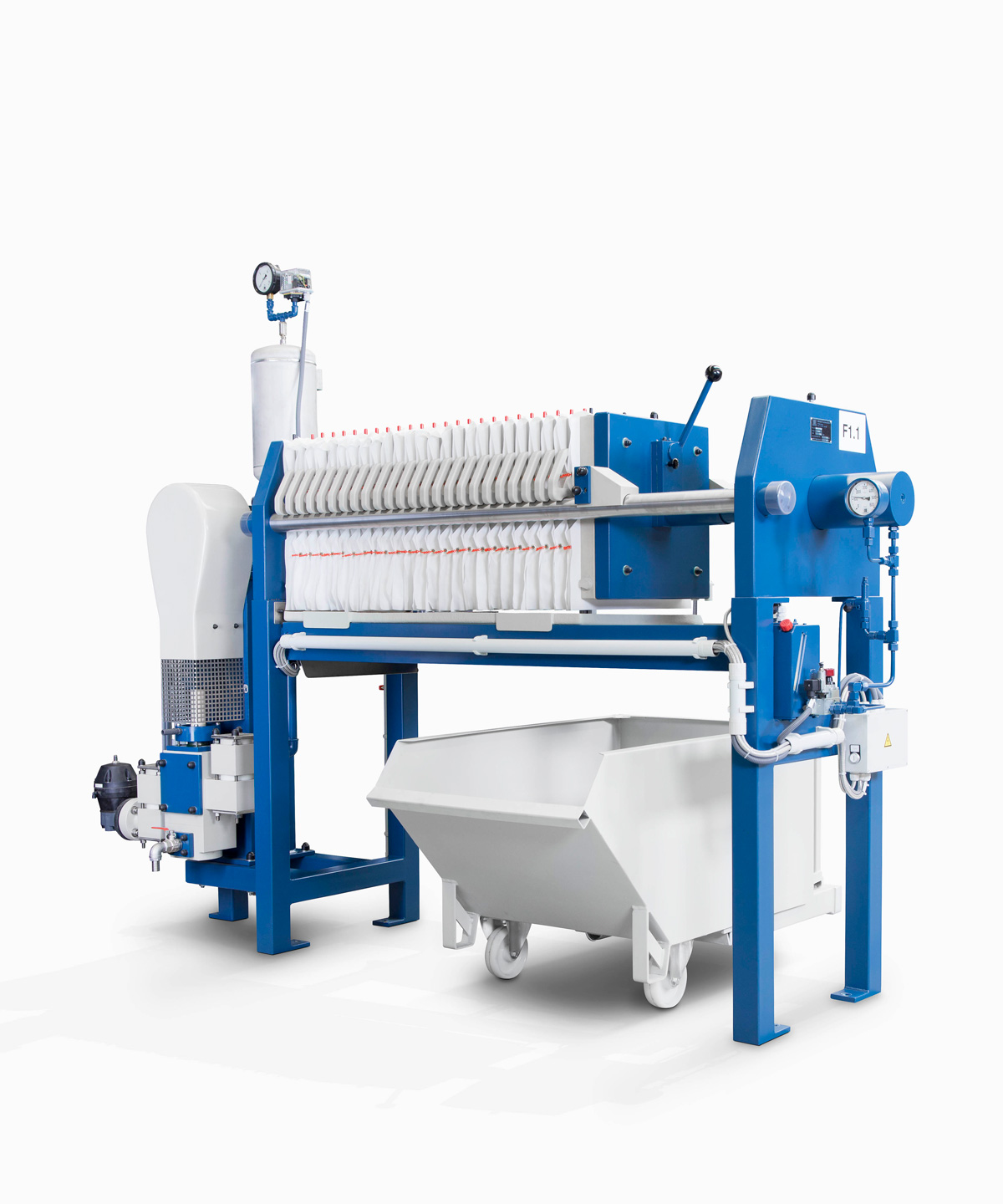
In continuous-flow systems, the process water is flocculated and filtered in a treatment plant after passing through the process tank. Walther Trowal now supplies the optimised flocculants ESM and ESB, which completely bind the micro- and nanoparticles contained in the water. The resulting flocs are filtered out in chamber filter presses. The filtered process water leaves the plant crystal-clear, of almost drinking-water quality, and is discharged into the sewerage system in accordance with statutory requirements. The sludge containing the micro- and nanoparticles is disposed of in accordance with best practice.
Extensive investigations carried out by the Institute for Environment, Energy, Technology & Analytics in Duisburg have shown that all particles – including micro- and nanoplastics – are bound within the flocs and reliably separated out in the filter press. For the tests, flocculated process water was filtered through a nano-sieve. The particles remaining in the filter were then examined using a scanning electron microscope. The ‘before and after’ comparison shows that the flocculated and filtered water no longer contains any microplastic particles.
To give customers the assurance that they are not releasing microplastics into the environment, Walther Trowal offers to test the effectiveness of their flocculation systems at its laboratory in Haan.


